
Sikkim onion
Allium sikkimense
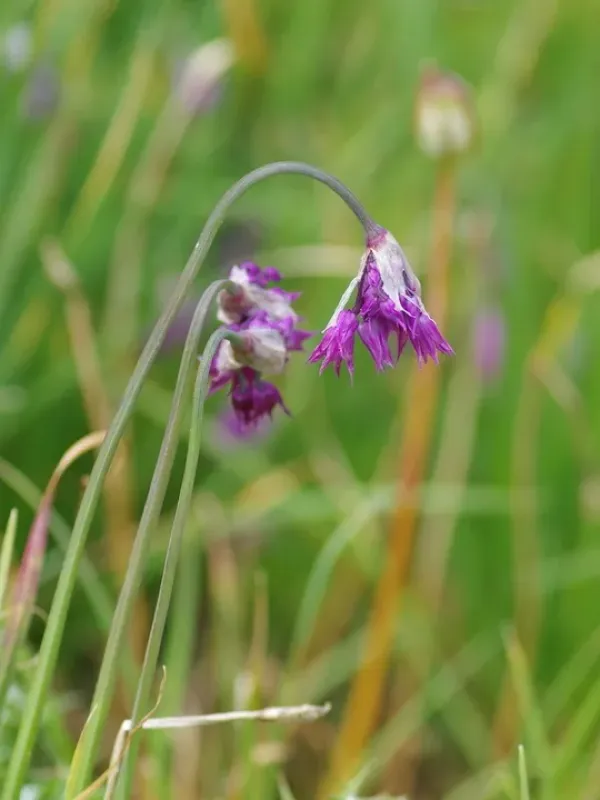
Description
Sowing dates
Sowing Sikkim onion seeds requires careful preparation, as the species originates from high-altitude environments. Seeds should be sown in early spring or late autumn, often benefiting from a period of cold stratification to break dormancy.
The seeds are relatively small and should be sown at a shallow depth of approximately 0.5 to 1 centimeter in a well-draining seed-starting mix. Ensuring consistent moisture is key, but the medium must not remain waterlogged.
Germination can be slow and sporadic; therefore, many gardeners choose to start them in pots under controlled conditions before transplanting. This practice allows for better protection from environmental stressors and weed competition.
Once seedlings are robust, they should be transplanted into their permanent location with a spacing of about 15 to 20 centimeters. This ensures adequate air circulation, which is essential to prevent fungal diseases as the plants mature.
As a perennial, the Sikkim onion will gradually form clumps. During the first growing season, the focus is on establishing a healthy root system, with the plant typically reaching its full ornamental potential in the second or third year.
Growing requirements
Sikkim onion, or Allium sikkimense, belongs to the Amaryllidaceae family and is native to the Himalayas, Tibet, and parts of China. It is highly adapted to harsh, rocky, and alpine conditions, requiring minimal organic matter.
The most critical requirement for cultivation is impeccable drainage. In nature, it grows on mountain slopes where water moves away quickly. In garden settings, a gritty, sandy soil mix is essential to prevent bulb rot during the dormant season.
This species demands a full-sun location. While it can tolerate thin, mountainous air and cool temperatures, it requires maximum solar exposure to trigger its characteristic deep blue-purple flowering phase.
Regarding soil chemistry, the plant prefers a neutral to slightly alkaline pH. It does not require intensive fertilization; indeed, high-nitrogen fertilizers can cause weak, spindly growth and reduce the plant's natural resistance to environmental stress.
The plant exhibits excellent cold tolerance, capable of surviving through freezing winter temperatures. It is particularly well-suited for rock gardens and alpine beds where soil aeration is naturally superior to standard flower beds.
Main diseases and pests
The primary threat to Allium sikkimense is bulb and root rot caused by poor soil drainage. When the soil remains wet, particularly during spring thawing, pathogens easily compromise the health of the bulbs.
Fungal issues such as downy mildew can occur if there is poor air circulation between the plants. To mitigate this, maintain proper plant spacing and avoid overhead watering that keeps the foliage damp for extended periods.
Pests like onion flies can cause significant damage by feeding on the base of the plant. Monitoring for yellowing leaves and wilting is vital, as early detection allows for the removal of affected plants before the infestation spreads.
Thrips may occasionally attack the foliage, especially during hot and dry spells. They cause silvering or streaking on the leaves. Insecticidal soap or neem oil can be effective if applied early enough to control the population.
Preventative maintenance, such as clearing away dead plant material at the end of the season, reduces the risk of overwintering pathogens. Keeping the area weeded also ensures that the plants do not compete for resources, maintaining their natural vigor.
Harvesting
Harvesting the Sikkim onion is rarely done for consumption, as it is primarily valued for its ornamental role in rock gardens. However, if division is required, this should be done during the plant's dormant period.
Division is best carried out in late autumn or early spring when the foliage has withered. Carefully lift the clumps with a garden fork, being cautious not to damage the fragile bulbs, and gently separate them by hand.
If seeds are desired for propagation, harvest the seed heads once they turn brown and dry on the stem. Collect them carefully, as they tend to shatter easily, and store them in a cool, dry place before the next sowing cycle.
When collecting bulbs for relocation, ensure they are cleaned of excess soil and allowed to dry in a shaded, ventilated area for a few days to harden their outer tunic before replanting.
Always use clean tools to avoid transferring soil-borne diseases between clumps. Proper post-harvest handling ensures that the plants remain healthy and continue to thrive in their new locations for several seasons.