
Nectaroscordum siculum
Allium siculum
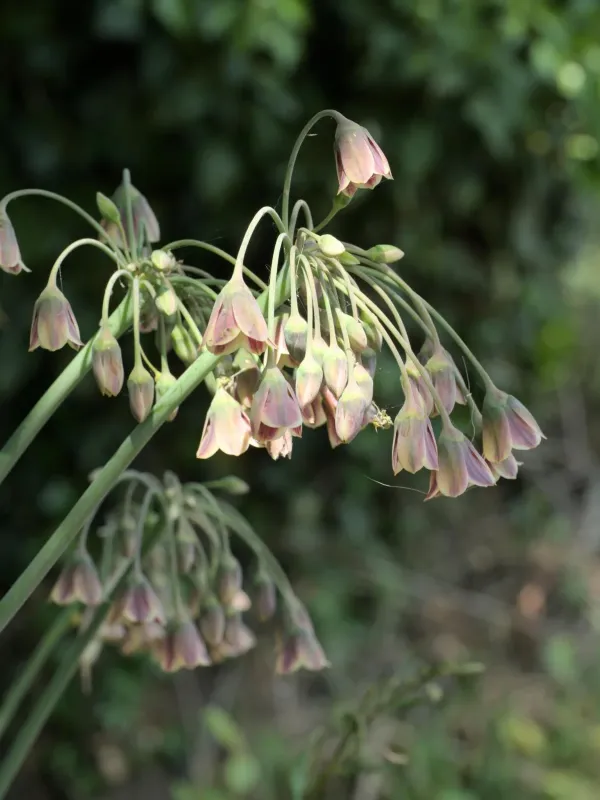
Description
Sowing dates
Planting of Nectaroscordum siculum bulbs is best performed in the autumn when soil temperatures have cooled to 10–12 degrees Celsius. This timing allows the plant to establish a robust root system before the onset of winter dormancy.
In regions with severe winters, bulbs should be planted at a depth of 10–15 centimeters to provide insulation against frost. If growing from seed, sowing is typically done in late autumn or early spring following a period of cold stratification.
Maintain a spacing of 20–30 centimeters between bulbs to allow for proper development of the basal leaf rosettes. Overcrowding can lead to poor air circulation, which increases the risk of fungal pathogens taking hold during the growing season.
The planting site should be chosen carefully; the plant thrives in full sun but tolerates partial shade during the hottest part of the day. It is essential to avoid low-lying areas where water may collect, as saturated soil can cause bulb rot.
After planting, applying a layer of organic mulch such as compost or leaf mold helps retain soil moisture and buffers the bulbs against extreme temperature fluctuations during the transition from winter to spring.
Growing requirements
Nectaroscordum siculum is a bulbous perennial belonging to the Amaryllidaceae family. Originating from the Mediterranean region, it is naturally adapted to sunny mountain slopes and rocky habitats with excellent drainage.
The plant is not overly demanding regarding soil quality but prefers fertile, loose, and well-drained substrates. Sandy loam soils with a neutral pH level provide the ideal environment for healthy bulb expansion and root development.
Effective drainage is the most critical requirement for this species. Water stagnation around the bulb base during the dormant period will almost inevitably lead to rot; therefore, incorporating gravel or sand into the planting hole is highly recommended.
During the active growth phase, the plant requires consistent moisture, especially while producing leaves and during the flower spike elongation. Once flowering is complete, irrigation should be reduced to encourage the plant to enter dormancy.
While the plant is reasonably cold-hardy in temperate climates, providing a light protective cover during harsh winters is advisable in colder zones. Keeping the area free of weeds is also vital for reducing competition for nutrients.
Yield
The primary horticultural use of Nectaroscordum siculum is in landscape design, where it is prized for its unique architectural form and nodding, bell-shaped inflorescences. It serves as an excellent focal point in naturalistic or cottage-style gardens.
The plant is a prolific nectar source, making it highly attractive to bees, butterflies, and other essential pollinators. It is frequently planted in groups within herbaceous borders or rock gardens to provide mid-season interest.
While often treated as an ornamental, all parts of the plant are edible and possess a mild, garlicky-onion flavor. Young leaves can be harvested in early spring to be used as a piquant addition to fresh salads or herb mixes.
The plant's "yield" in a garden setting is characterized by its reliable annual return and ability to propagate through the production of offsets. A single mature bulb will produce daughter bulbs, allowing the planting to expand naturally over time.
For optimal maintenance, it is recommended to lift and divide established clumps every 3 to 4 years. This practice prevents soil exhaustion and provides the individual bulbs with the necessary space to continue flowering vigorously.
Main diseases and pests
The most common threats to Nectaroscordum siculum are fungal diseases, specifically Fusarium wilt and gray mold (Botrytis). These issues are almost always secondary to poor drainage and overly damp soil conditions.
Insect pests such as the onion fly or bulb nematode can cause significant damage. Larvae of the onion fly bore into the bulbs, compromising the plant's health; management involves crop rotation and the use of protective barriers if necessary.
Controlling bulb nematodes relies heavily on the use of clean, disease-free planting material. If an infestation occurs, the affected plants should be promptly removed and destroyed to prevent the parasite from spreading to other bulbs.
Preventative care against fungal pathogens includes treating bulbs with a fungicide prior to planting. Furthermore, avoiding the use of fresh manure is essential, as it can harbor pathogens that thrive in the root zone.
Regular maintenance, including weeding and keeping the soil surface loose, is crucial. These practices improve airflow around the base of the plant and prevent moisture from accumulating, thereby significantly reducing disease pressure.
Harvesting
Harvesting bulbs for relocation or storage should only occur after the foliage has naturally yellowed and died back completely. This typically occurs in mid-summer, signaling that the plant has entered a deep dormant state.
When lifting bulbs, use a garden fork to carefully dig around the clump, ensuring the outer skins and basal plates are not damaged. Once extracted, clean off excess soil and allow the bulbs to dry in a shaded, well-ventilated area.
The curing process lasts approximately 2 to 3 weeks. Once the outer scales are dry and papery, the bulbs should be sorted, discarding any that show signs of damage or decay to ensure the health of the remaining stock.
Store cured bulbs in crates filled with dry sawdust or in paper bags. Maintaining an ambient temperature of 15–18 degrees Celsius with good airflow is essential to prevent moisture buildup and mold growth during storage.
If harvesting greens for culinary use, harvest only during the spring growth flush. For the best flavor profile and essential oil concentration, leaves should be harvested before the plant expends its energy on flower production.