
Rock onion
Allium saxatile
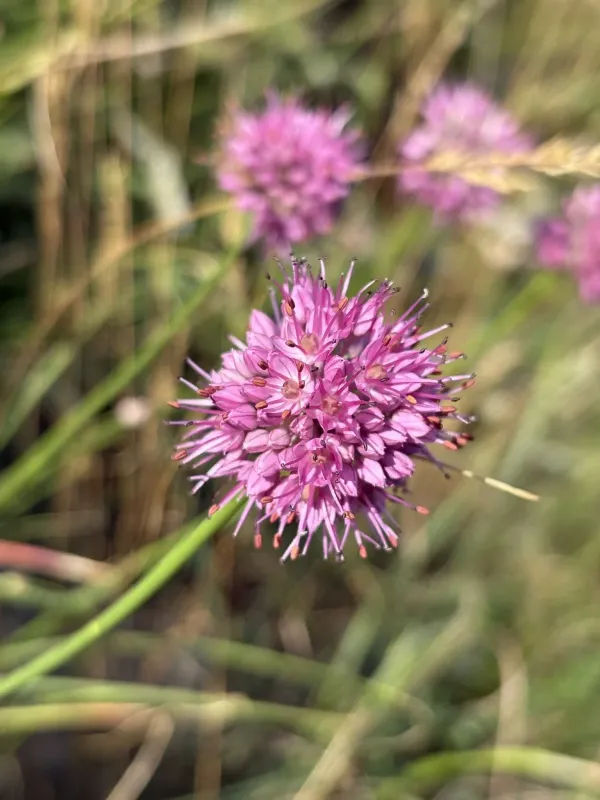
Description
Sowing dates
Rock onion (Allium saxatile) is a perennial herbaceous plant belonging to the Amaryllidaceae family. It is typically propagated by seeds, which adapt well to rocky and well-drained substrates similar to its native habitat.
Sowing should take place in early spring or late autumn. Seeds require minimal covering with soil, as they need a certain amount of light and stable moisture levels to germinate successfully without rotting.
If started indoors, seeds can be sown in late winter in a light, sandy mix. Seedlings should be hardened off before being transplanted to their final location in the garden, ensuring they are not buried too deeply.
The site selection is crucial: the soil should mimic natural scree or rocky slopes. A sunny location with excellent natural drainage is the absolute prerequisite for long-term survival of the crop.
Planting density depends on the desired use. For culinary production, a grid pattern with 20 centimeters between plants allows for optimal airflow, which is essential to prevent fungal outbreaks during rainy periods.
Growing requirements
As a xerophytic species, the rock onion requires soils that do not hold excess water. Ideally, it thrives in gritty, sandy, or rocky loams with a neutral pH, mimicking its natural mountainous origin.
The plant is highly drought-tolerant and performs exceptionally well in dry gardens. However, it requires deep roots to be established during its first year, so occasional watering in extreme heat is beneficial.
Full sun is mandatory for this species. Even partial shade can lead to leggy, weak growth and significantly reduce the intensity of the plant's essential oils, which define its culinary value and vigor.
Fertilization should be kept to a minimum. Excessive nutrient application, especially nitrogen, promotes lush growth that is highly susceptible to pests and diseases, and it ruins the plant's natural compact structure.
Maintenance involves keeping the surrounding area free of mulch that might retain moisture against the base of the plant. A top dressing of fine gravel or crushed stone is recommended to keep the foliage dry.
Main diseases and pests
The most common problems for Allium saxatile are fungal diseases like downy mildew. These occur primarily when air circulation is poor or when plants are subjected to prolonged periods of high humidity.
Onion flies and their larvae are significant pests. They burrow into the bulbs, causing the plant to yellow and collapse. Preventive measures include crop rotation and ensuring the soil remains well-drained.
Thrips can also be an issue during hot, dry summers. They feed on the leaf tissues, leaving silvery streaks and weakening the plant's overall vigor. Regular monitoring is necessary for timely intervention.
To mitigate these threats, avoid overhead watering. Using a drip irrigation system or watering at the base ensures the foliage remains dry, significantly reducing the risk of pathogen spread.
Good garden hygiene, such as removing dead leaves and weeds that might harbor insect pests, is essential. This practice reduces the overwintering sites for the life stages of major garden pests.
Harvesting
Rock onion provides a continuous supply of edible green leaves throughout the growing season. The foliage has a sharp, characteristic onion flavor, making it an excellent addition to fresh salads and soups.
For harvesting, use clean, sharp shears. Cut the leaves from the outer part of the clump, leaving the inner younger shoots to continue growing. This method allows for repeated harvests throughout the summer.
During the flowering stage, the leaves can become tougher and more fibrous. Cutting back the flower stalks (scapes) before they fully bloom redirects the plant's energy back into vegetative leaf production.
The plant is also highly regarded for its aesthetic value in rock gardens and landscapes. Harvesting should be performed sparingly if the primary intent is decorative, ensuring the visual form is preserved.
At the end of the season, after the first frost, the remaining foliage can be cut back. This tidies the garden and allows the bulb to enter its dormancy phase effectively, protected from winter moisture.