
Multi-flowered onion
Allium polyanthum
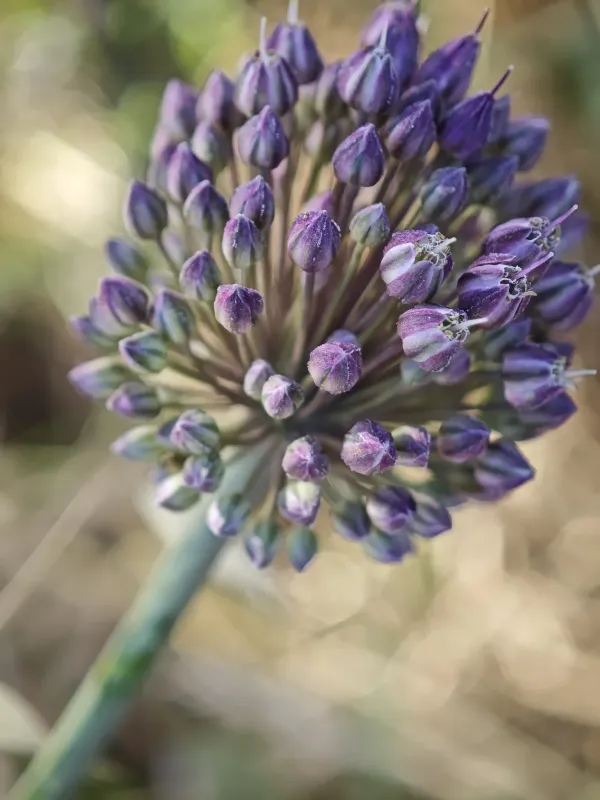
Description
Sowing dates
Allium polyanthum is a perennial plant species belonging to the Amaryllidaceae family. Sowing is typically carried out in early spring as soon as the soil warms up, or in late summer, allowing the plants to establish roots before the onset of winter frost.
The site preparation involves deep tilling to ensure a loose soil structure. Seeds should be sown at a depth of 1.5–2 cm, maintaining row spacing of approximately 20–30 cm to provide adequate room for plant growth and ventilation.
Vegetative propagation by dividing the clumps is also an effective and faster way to obtain a yield. This process should be performed in early autumn or early spring, replanting the bulbs at optimal spacing to prevent overcrowding.
Seedlings emerge within 14–20 days under favorable conditions. Thinning the seedlings is a crucial step to maintain a distance of 5–10 cm between individual plants, which ensures they have enough space to develop robust root systems.
This crop is highly adaptable to various climatic zones, making it a promising candidate for cultivation in temperate regions. Choosing a site with consistent access to light is essential for achieving productive plant growth.
Growing requirements
Multi-flowered onion thrives in well-drained, fertile loamy or sandy soils. The plant is sensitive to acidic conditions, so liming is recommended if the soil pH is too low to ensure a neutral growing environment.
As a light-loving species, it requires an open area with plenty of direct sunlight. Partial shade can lead to slower development of the foliage and a decrease in the overall biomass harvested during the growing season.
Water requirements are moderate, but regular moisture is needed during the peak growth periods. Proper drainage is mandatory to prevent waterlogging, as standing water can lead to the rot of the bulb's basal plate.
The agronomic maintenance includes regular cultivation between the rows to prevent soil crusting and allow oxygen to reach the roots. Effective weed control in the early growth stages is vital to avoid competition for nutrients.
Fertilization should be balanced, utilizing organic matter or slow-release mineral fertilizers. Nitrogen-rich applications are beneficial early in the season, while phosphorus and potassium promote overwintering success.
Main diseases and pests
Fungal diseases such as downy mildew and fusarium are the primary threats to Allium polyanthum, especially in humid and poorly ventilated conditions. Monitoring for early signs of infection is a key management strategy.
Onion flies are among the most harmful pests, as their larvae feed on the underground parts of the plant. Maintaining crop rotation is an effective preventive measure to disrupt the life cycle of these pests.
Thrips can also infest the leaves, causing them to wither prematurely. Integrated pest management, including biological controls or targeted insecticides, should be used when the infestation exceeds acceptable thresholds.
Bulb mites can attack weak plants, particularly if stored in suboptimal conditions. Proper sanitation and checking the quality of planting material are necessary to avoid the spread of these pests in your fields.
To reduce pathogen accumulation, avoid planting onions in the same location for more than three consecutive years. A planned crop rotation helps to naturally mitigate the pressure from soil-borne diseases and pests.
Harvesting
The harvest of green foliage can begin from the second year of growth. Leaves are typically cut at a height of 3–5 cm above the soil surface, allowing the plants to regenerate new growth throughout the season.
During the first year, caution should be exercised to avoid over-harvesting, which could weaken the young plants. High-yield production is achievable with consistent irrigation and appropriate fertilizing after each cut.
Harvesting for fresh consumption is best done in the early morning hours to ensure maximum freshness and moisture content. The cut greens are highly perishable and should be cooled or marketed immediately.
When seed production is desired, flower stalks should be left until full maturity. The seeds are collected, dried, and cleaned in a well-ventilated area to prevent them from dropping prematurely in the field.
As the growing season concludes, stop harvesting the leaves to allow the plant to store energy in the bulbs. This preparation is critical for the plant to successfully survive the winter dormancy period in the field.