
Pendulous leek
Allium pendulinum
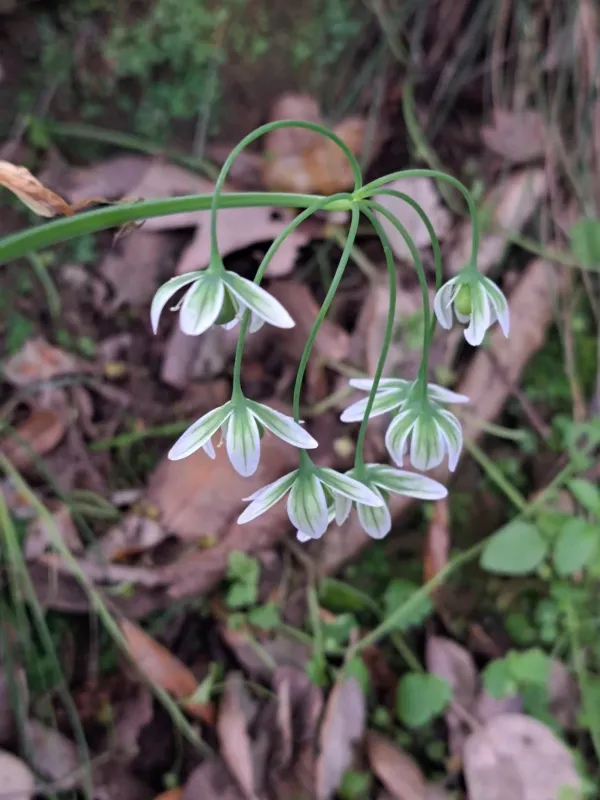
Description
Sowing dates
Sowing of Allium pendulinum seeds is best performed in late autumn or early spring after a period of stratification. As a wild-type species, its seeds often require exposure to cold temperatures to break dormancy and ensure high germination rates.
Seeds should be sown in prepared soil at a shallow depth of approximately 1 centimeter. Using a light, well-draining soil mix helps the fragile sprouts emerge and establish their initial root systems without too much resistance.
Propagation by division of mature clumps is the most practical and rapid method for home gardeners. This process should be executed when the plant is dormant, either in early spring or after the foliage dies back in autumn.
When dividing, ensure each segment has enough root mass and at least one healthy bulb. This approach provides a head start for the plant and guarantees that the offspring will carry the characteristics of the mother plant.
Spacing between divisions should be at least 15 to 20 centimeters. This provides sufficient room for the plant to expand over the following seasons without overcrowding the garden bed.
Growing requirements
Allium pendulinum belongs to the Amaryllidaceae family and is naturally adapted to woodland environments. It thrives in partial shade, making it an excellent choice for corners of the garden that do not receive intense afternoon sun.
The soil should be rich in organic matter, loose, and possess excellent drainage properties. While the plant appreciates moisture, it is highly susceptible to root rot if left in standing water for prolonged periods.
This species is quite hardy and well-adapted to temperate climates. It handles winter frosts effectively, provided the bulbs are planted at the appropriate depth and the soil has adequate drainage to prevent ice damage around the roots.
Consistent watering is required during the active growing season, particularly if spring and early summer rainfall is insufficient. Keeping the soil slightly damp promotes healthy leaf development and crisp texture.
Fertilization with organic compost or well-rotted manure during the spring helps to supply the necessary nutrients. Mineral fertilizers can be used sparingly, focusing on balanced formulas to encourage overall health rather than excessive leaf growth.
Main diseases and pests
The main threats to the Pendulous leek are moisture-related issues, including fungal infections like bulb rot or downy mildew. Maintaining good air circulation around the plants is the primary preventive measure.
Insects like onion flies or thrips may feed on the leaves or bulbs. Regular monitoring of the foliage for yellowing or distorted growth helps to identify pest outbreaks before they significantly impact plant vigor.
If fungal issues are detected, removing affected plants and applying eco-friendly fungicides is recommended. Avoid overhead watering in the late evening to reduce humidity levels around the foliage, which discourages fungal spore development.
Good garden hygiene, such as clearing away decaying leaves at the end of the season, reduces the risk of pests and diseases overwintering near the bulbs.
While the plant is generally robust, it is essential to monitor for any viral symptoms carried by aphids. Managing aphid populations early in the season is a critical step in preserving the health of your Allium crop.
Harvesting
Harvesting the leaves of Allium pendulinum can be done throughout the growing season. By cutting leaves at the base, you encourage the plant to produce new, fresh foliage, extending the harvest period.
The leaves have a mild, pleasant flavor reminiscent of garlic and chives. They are highly valued in culinary applications, being used fresh in salads, as a garnish, or as a flavorful addition to soups and sauces.
Seed collection should be timed carefully when the seed pods begin to turn brown and dry. This prevents the seeds from dispersing prematurely and allows for gathering sufficient stock for future plantings.
If harvesting for bulbs, the process should take place once the above-ground foliage has completely yellowed and died back. Clean the bulbs gently and store them in a cool, dry, and airy environment.
Always avoid removing more than one-third of the foliage at any single time to ensure the plant retains enough energy to sustain its root system and ensure growth in the next season.