
Panicled onion
Allium paniculatum
Description
Sowing dates
Propagation is typically done through seeds sown in late autumn. Natural cold stratification during winter significantly improves germination rates in the spring compared to non-stratified seeds.
If sowing in the spring, seeds should undergo an artificial cold stratification process in a refrigerator at 2–4°C for at least six to eight weeks before being planted in the soil.
Seeds should be sown at a depth of 1 centimeter. After sowing, the surface should be kept lightly moist until the seedlings emerge, after which irrigation should be significantly reduced.
Bulb division is the most efficient method for mature plants. This should be performed during the summer dormancy period when the leaves have turned yellow and the plant is resting.
When planting divided bulbs, ensure adequate spacing of 15–20 centimeters between plants to allow for proper air circulation and to prevent the spread of soil-borne pathogens.
Growing requirements
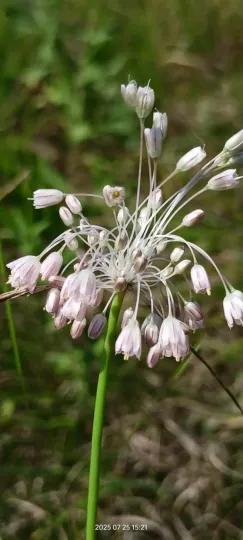
The panicled onion (Allium paniculatum) is a perennial herbaceous plant belonging to the Amaryllidaceae family. Native to the Mediterranean, Southeastern Europe, and Western Asia, it is typically found in rocky habitats and dry, sunny meadows.
The plant features small, ovoid bulbs protected by tunics. Its leaves are narrow, channelled, and usually wither before the plant reaches its full flowering stage, which is a common strategy for xerophytic Allium species to survive summer droughts.
This species requires full sun exposure to thrive. Inadequate sunlight results in etiolated stalks and weak inflorescences. It is an excellent choice for rock gardens and xeriscaping where drainage is optimal.
Regarding soil, Allium paniculatum demands well-drained, porous substrates. Sandy or rocky soils are ideal; heavy clay soils must be improved with grit or sand to prevent bulb rot during the wet seasons.
The plant exhibits high cold tolerance but is sensitive to winter moisture. Ensuring the soil remains relatively dry during the dormant period is crucial for the longevity of the bulbs.
Main diseases and pests
The most significant threats to Allium paniculatum are fungal diseases, particularly bulb rot, which occurs in poorly drained soils. Overwatering is the primary cause of such failures.
Pests such as onion flies and thrips can cause damage to the vegetation. Thrips cause stippling on the leaves, while larvae of the onion fly may penetrate the bulb, leading to complete plant decay.
Preventative measures include the use of clean, disease-free planting material and avoiding the overcrowding of plants, which creates microclimates favorable for fungal growth.
Integrated pest management, including regular inspection and the removal of infected plant parts, is recommended to keep the collection healthy throughout the growing season.
- Maintain excellent drainage in all planting zones.
- Avoid overhead watering to keep foliage dry.
- Implement crop rotation if bulbs are grown in the same spot for several years.
Harvesting
The primary use of the panicled onion is ornamental. Its graceful, paniculate inflorescences, which appear as loose clusters of pinkish or greenish flowers, make it a prized specimen for landscape design.
Seed harvesting should occur once the seed capsules have turned brown and brittle. Carefully collect them in dry weather and store them in paper envelopes in a cool, dark location.
For floral arrangements, the flower stalks should be harvested when the first florets begin to open. They provide an airy, elegant texture to both fresh and dried bouquets.
While not a staple food crop, this species is closely related to edible onions; however, harvesting for culinary purposes is not recommended due to the small size of the bulbs and potential toxicity if not properly identified.
Management of the site after the flowering period involves clearing away spent stalks to maintain the aesthetic appeal of the garden and to prevent unnecessary energy depletion of the bulb.