
Oriental onion
Allium orientale
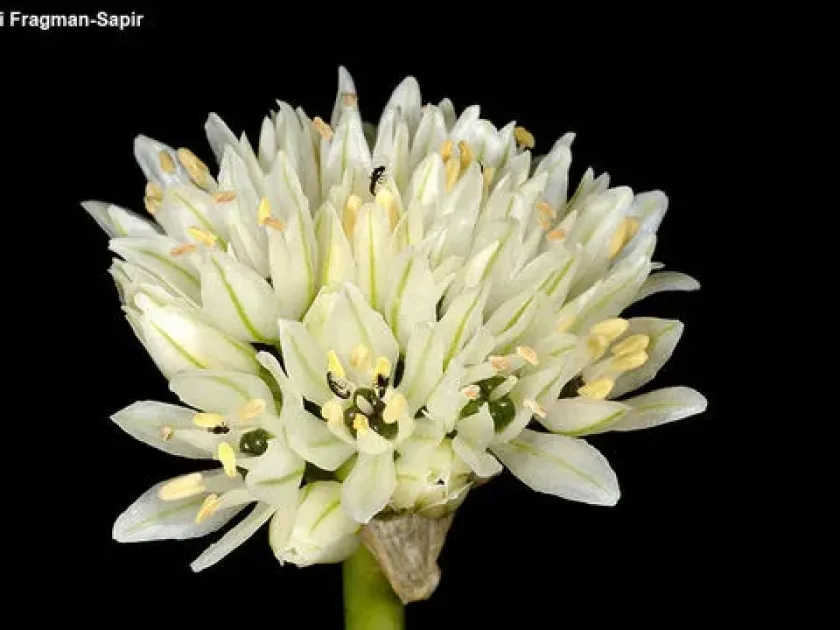
Description
Sowing dates
Sowing seeds of Allium orientale is typically performed in late autumn or early spring to ensure the seeds experience natural or simulated cold conditions.
If sowing in the spring, seeds should undergo a stratification process for at least 4-6 weeks to break dormancy and ensure uniform germination across the field.
Seeds should be sown at a shallow depth of 1-2 centimeters, ensuring they are covered by a light layer of soil to maintain moisture without hindering emergence.
Seedlings raised in nursery trays under controlled conditions tend to show higher survival rates when transplanted into the final growing site.
Adequate spacing, generally around 20 centimeters between plants, is essential to provide each specimen with sufficient room for root development and airflow.
Growing requirements
Allium orientale is a member of the Amaryllidaceae family and is native to arid, well-draining terrains where it has adapted to fluctuating water levels.
The plant thrives in full sun exposure; lack of light will result in weak growth and reduced bulb quality, making site selection critical for commercial success.
Well-drained, sandy-loam soils are ideal for this species, as stagnant moisture is the primary cause of root and bulb decay during the vegetative cycle.
Soil pH levels should remain neutral to slightly alkaline, providing optimal conditions for the uptake of micronutrients necessary for healthy bulb development.
While the species is hardy, it requires protection from excessive winter moisture in colder climates to prevent the bulbs from freezing while waterlogged.
Main diseases and pests
Fungal diseases, specifically Fusarium wilt and various forms of bulb rot, are the most significant threats to the long-term health of oriental onion plantings.
Common bulb pests, such as onion flies and bulb mites, can cause severe damage by feeding on the internal structures of the onion bulb, leading to secondary infections.
Implementing a strict crop rotation schedule is the most effective cultural practice to reduce the pressure from soil-borne pathogens and recurring pest populations.
Proactive monitoring for signs of stress or pest colonization allows for early intervention using biological or chemical control measures as necessary.
Maintaining clean and dry surroundings by removing debris after the growing season prevents the overwintering of harmful pathogens near the bulb crop.
Harvesting
Harvesting should be delayed until the foliage begins to wither and turn yellow naturally, indicating that the bulb has reached its peak storage maturity.
Bulbs must be lifted from the soil carefully to avoid bruising or tearing the outer tunics, which act as a natural seal against moisture loss during storage.
Curing is a mandatory step that involves drying the bulbs in a shaded, airy location for about a week to harden the outer skin and heal harvest wounds.
After the curing process is complete, any excess soil and dried roots should be gently removed to ensure the crop remains hygienic during the winter storage period.
Store the bulbs in a cool, dark, and well-ventilated space, ensuring that humidity remains low to prevent rot and premature sprout formation until planting or consumption.