
Wild onion
Allium mutabile
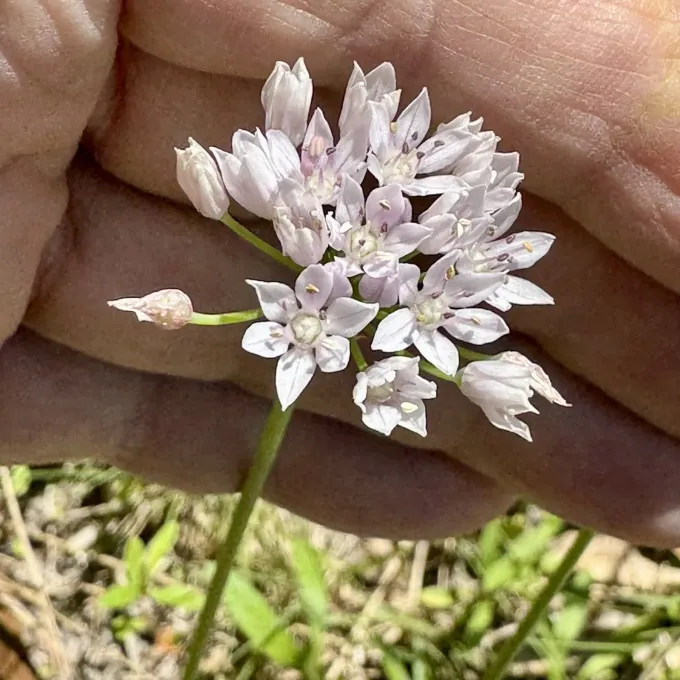
Description
Sowing dates
Allium mutabile is typically propagated via seeds sown in early spring or through the division of bulbs during the late dormant period.
For seed germination, a well-prepared seedbed with fine-textured soil is necessary to ensure consistent contact between the seed and the soil surface.
Vegetative propagation is preferred for maintaining plant characteristics, involving the careful separation of offset bulbs from the mother cluster.
Planting density should be managed to prevent overcrowding, allowing sufficient airflow to minimize the risk of moisture-related fungal issues.
Success in sowing relies on maintaining adequate soil moisture during the initial establishment phase until the root system is fully developed.
Growing requirements
This species thrives in full sunlight, requiring at least six to eight hours of direct exposure daily to maintain healthy growth and vigor.
The plant performs best in well-drained, fertile soil types ranging from sandy loams to light clay soils, provided they do not hold excessive water.
Allium mutabile exhibits notable resilience to varying climatic conditions, reflecting its diverse natural distribution across various habitats.
Soil nutrient levels should be balanced, with the addition of organic matter to improve structure and water-holding capacity without causing compaction.
Regular maintenance including weeding is crucial, as the plant does not compete well with vigorous perennial weeds in the early growth stages.
Main diseases and pests
Pathogenic fungi represent the primary threat to this crop, particularly under conditions of high humidity, causing issues like leaf blight or downy mildew.
Root rot, often caused by poor drainage or overwatering, can destroy the bulb cluster quickly, leading to total crop failure if not addressed.
Insect pests, such as onion thrips and various types of bulb flies, can cause significant damage to the leaves and the structural integrity of the bulbs.
Integrated pest management strategies are recommended, focusing on crop rotation and the early detection of pests to minimize the need for chemical intervention.
Proper sanitation in the field, including the removal of infected plant debris, is vital to prevent the carryover of diseases between planting cycles.
Harvesting
The harvest of green tops is conducted during the active growing season by selecting the most robust leaves while avoiding damage to the growing point.
Bulbs are typically harvested after the foliage has naturally withered, indicating that the plant has entered its seasonal dormant phase.
Careful extraction using hand tools is essential to keep the bulbs intact and preserve the integrity of the papery skin that protects them.
Post-harvest handling involves thorough drying in a shaded, well-ventilated area to reduce moisture content and prevent fungal growth during storage.
Once properly cured, the bulbs are stored in cool, dark, and dry conditions to maintain quality for culinary use throughout the winter months.