
Allium multibulbosum
Allium multibulbosum
Description
Growing requirements
Allium multibulbosum is a herbaceous perennial plant belonging to the Amaryllidaceae family. Originating from the rocky slopes and open habitats of Europe and Western Asia, it is recognized for its robust nature and ability to thrive in diverse environmental conditions within its native range.
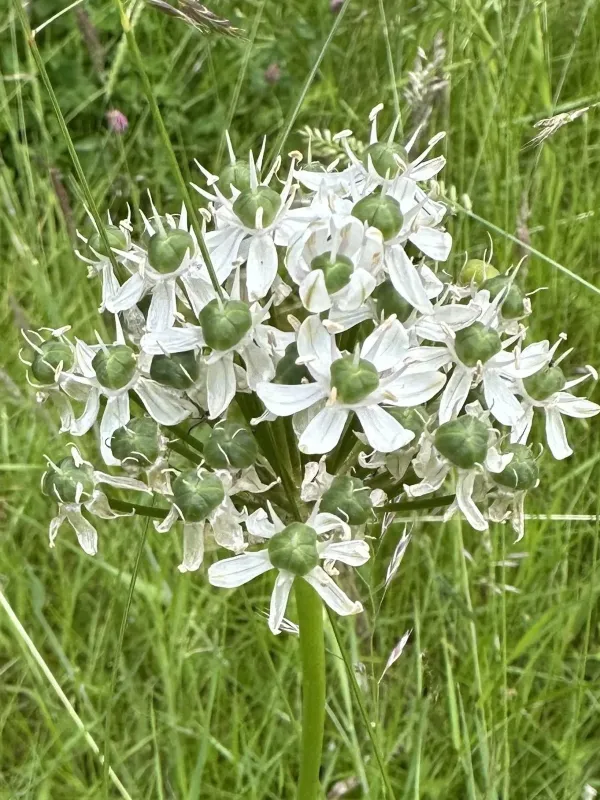
The plant is botanically characterized by a cluster of bulbs, from which emerge lanceolate, dark green leaves and tall, erect stems topped with dense, spherical umbel inflorescences. This vegetative proliferation makes the species highly efficient at colonizing suitable habitats.
Optimal growth requires well-drained, fertile soil with a neutral to slightly alkaline pH. The plant performs best in full sunlight, which is critical for the development of both the bulb and the reproductive structures during the vegetation period.
In terms of agricultural management, the soil should be kept loose to prevent waterlogging, as excessive moisture often leads to bulb decay. Fertilizer application should focus on potassium and phosphorus to support healthy bulb development throughout the growing season.
Beyond its agricultural uses, Allium multibulbosum serves as an important genetic resource for breeding programs aimed at improving hardiness and disease resistance in cultivated Allium species.
Main diseases and pests
The onion fly (Delia antiqua) poses a significant threat to Allium multibulbosum, with larvae feeding on the basal plate of the bulb, causing wilting and eventual plant death.
Onion thrips are another common concern, particularly in arid climates, as they puncture leaf tissues to feed on cell sap, leading to stunted plant growth and reduced vigor.
Fungal diseases like downy mildew (Peronospora destructor) can devastate crops during periods of high humidity, characterized by the appearance of chlorotic lesions and greyish mold growth.
Botrytis neck rot is often problematic during the post-harvest storage phase, occurring when moisture levels in the storage area are not strictly controlled, resulting in the softening of the scales.
Effective pest and disease management relies on cultural practices such as crop rotation, selecting disease-free planting material, and ensuring proper airflow in the planting site to minimize humidity-related risks.