
Musk onion
Allium moschatum
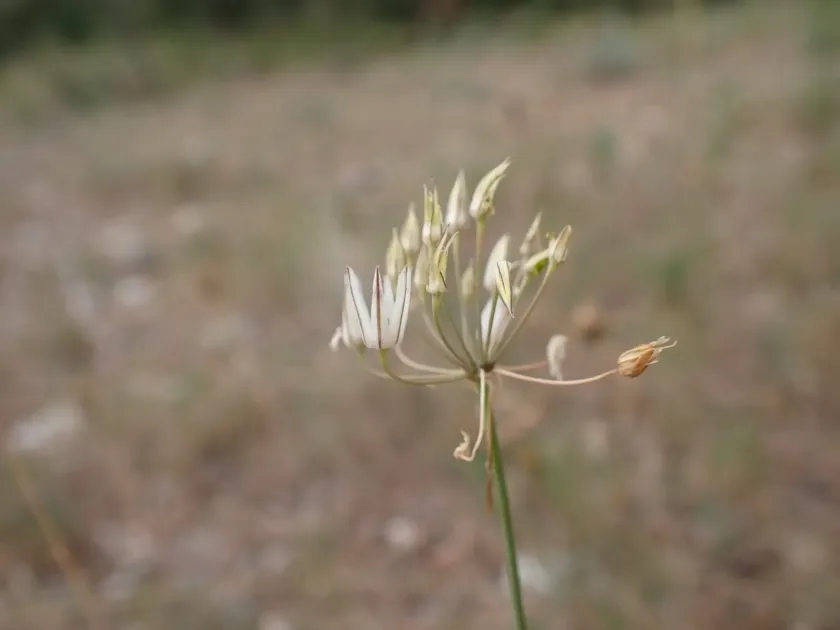
Description
Sowing dates
Musk onion (Allium moschatum) belongs to the family Amaryllidaceae. This plant species primarily propagates through seeds, which require specific conditions for germination in natural environments.
In a cultivation setting, seeds should be sown in well-drained soil during the autumn or early spring. Stratification is recommended to improve the germination rate of the seeds.
The seeds are typically planted at a depth of 1–2 cm. Providing a stable environment with moderate moisture is essential for the successful establishment of seedlings during the early growth stages.
Vegetative propagation via the division of bulbs is a highly effective method for gardeners. This process should be carried out during the dormant season to minimize stress to the plants.
Proper spacing between plants ensures adequate airflow, which is critical for preventing the accumulation of humidity and subsequent fungal issues among the dense foliage.
Growing requirements
This species is highly drought-tolerant and thrives in poor, stony soils. It is naturally adapted to Mediterranean climates and arid environments with high sun exposure.
Excellent drainage is the most critical factor for the successful growth of Allium moschatum. Soils that retain too much moisture will cause the bulbs to rot rapidly.
The optimal soil pH ranges from neutral to slightly alkaline. In heavy clay soils, amendments like sand or horticultural grit must be added to improve drainage and root aeration.
Sunlight is vital for this culture; it requires a site with full sun to ensure the development of robust stalks and successful flowering. Excessive shade leads to weak, etiolated stems.
The plant is relatively low-maintenance in terms of nutrients. A light application of balanced fertilizer during the early spring can support the plant's seasonal development cycle.
Main diseases and pests
Fungal diseases, including various types of rots, are the primary threat when growing Musk onion, particularly in damp or poorly ventilated conditions.
Pests such as the onion fly can cause significant damage to the bulb tissue. Implementing crop rotation practices helps in reducing the population of such pests in the soil.
Maintaining a clean garden environment by removing dead plant debris prevents the buildup of pathogens that could infect the healthy plants.
If symptoms of blight or fungal infection appear, it is advisable to use systemic fungicides suitable for Allium species while following the specific safety guidelines.
Monitoring the soil moisture and ensuring that no stagnant water remains around the bulbs is the best preventative measure against most common garden threats.
Harvesting
Seed harvesting should be performed once the seed capsules have turned dry and brittle, indicating that the seeds are fully mature and ready for collection.
For bulb propagation or maintenance, harvesting occurs after the foliage has died back naturally. This ensures that all nutrients have been stored within the bulb for the next cycle.
After excavation, the bulbs must be cleaned and air-dried in a shaded, well-ventilated area for several days to prevent the development of mold during storage.
Storage should take place in a cool, dark, and dry environment. Improper storage temperatures can trigger premature sprouting or dehydration of the bulb tissue.
Many gardeners grow this species as an ornamental component in rock gardens, meaning that harvesting is often limited to thinning out overgrown clumps to maintain vitality.