
One-flowered onion
Allium monanthum
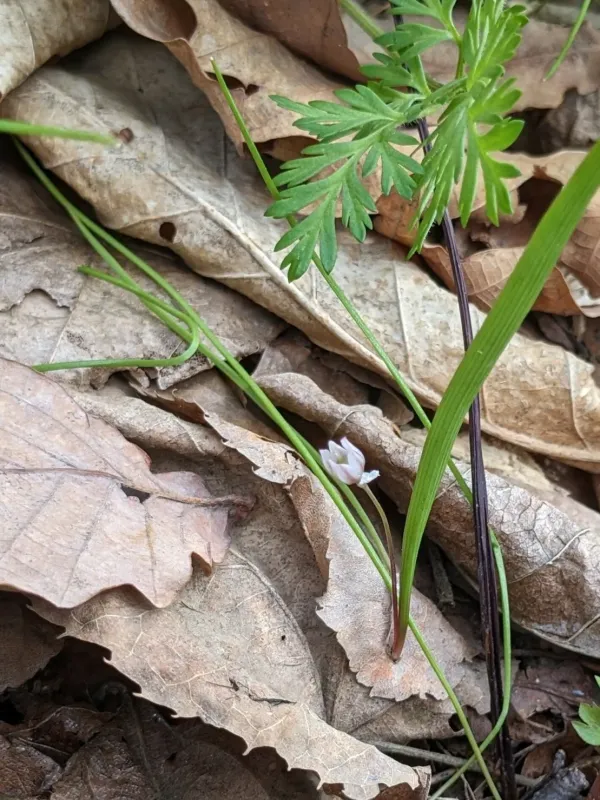
Description
Sowing dates
The One-flowered onion, scientifically known as Allium monanthum, is a perennial herb belonging to the Amaryllidaceae family. In its natural habitat, it propagates mainly via seeds produced in late summer, alongside vegetative division.
For cultivation, seeds should be sown in loose, well-draining soil in early spring. Optimal germination temperatures range from 5 to 8 degrees Celsius, requiring consistent soil moisture throughout the process.
Autumn sowing is also an effective practice, allowing the seeds to undergo natural stratification. This technique often results in more vigorous and uniform growth when the spring season begins.
Vegetative propagation involves planting bulbs at a depth of 5-7 centimeters. A spacing of about 10-15 centimeters between plants is recommended to allow sufficient room for root development and nutrient access.
When selecting a planting site, consider the natural ecological preference of the species for shaded forest floors. It thrives in locations with dappled light, making it a perfect choice for under-canopy gardening.
Growing requirements
Native to the temperate regions of East Asia, including the Far East, Korea, and Japan, this species is well-adapted to moderate climates. It is sensitive to extreme heat and prefers a temperate environment.
Cultivation requires fertile, humus-rich soil that is slightly acidic to neutral. Good drainage is essential, as waterlogged conditions often lead to bulb rot and the decline of the plant population.
Its ability to tolerate shade is a major advantage for gardeners. While many onion species demand full sun, Allium monanthum performs best in sheltered areas with indirect sunlight exposure.
Regular but moderate watering is crucial during the growing season. It is vital to avoid over-irrigation, as excessive moisture in the root zone can encourage the growth of harmful fungi and pathogens.
Incorporating organic matter such as compost into the soil significantly boosts yield and plant health. The crop responds well to steady nutrient availability throughout its development cycle.
Main diseases and pests
Common pests include onion flies and thrips, which can cause significant damage to the foliage. Implementing crop rotation and pre-planting soil treatment are effective preventive measures.
Fungal diseases like fusarium wilt and downy mildew are common threats, especially when air circulation is poor or soil moisture levels are too high. These conditions require careful management.
Biological control methods are preferred, as the plant is frequently consumed for its edible greens. If chemical treatments are necessary, strict adherence to safety intervals is mandatory.
Effective weed management is essential for healthy crops, as weeds often compete for nutrients and harbor pests. Keeping the planting area clean significantly reduces the pressure from environmental stressors.
Early detection is the most effective defense strategy. Regular visual inspections of the leaves and bulbs allow for the immediate removal of affected plants, preventing the spread of diseases.
Harvesting
The harvest of green foliage typically begins in early spring, once the leaves have reached their full size. At this stage, they are most tender and possess a mild, delicate flavor.
Bulb harvesting is carried out in late summer, after the foliage has naturally yellowed and died back. This timing ensures that the bulbs have successfully stored energy for the dormant period.
Once harvested, the bulbs should be dried in a cool, well-ventilated space shielded from direct sunlight. Proper drying is key to preventing moisture-related decay during storage.
Store the harvested bulbs in a cool, low-humidity environment to extend their shelf life. Ventilated containers, such as wooden crates or mesh bags, are ideal for keeping the produce in good condition.
In culinary traditions, the One-flowered onion is highly valued as a seasoning. Its distinct yet subtle garlic-like aroma makes it an excellent addition to soups, fresh salads, and traditional stir-fries.