
Black-flowered onion
Allium melananthum
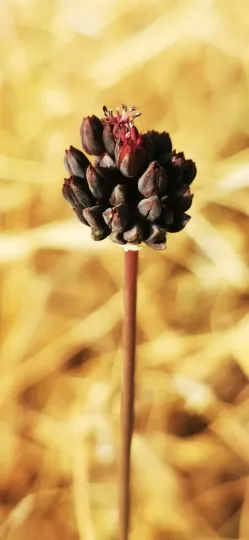
Description
Sowing dates
Sowing seeds of the black-flowered onion is best performed in late autumn or early spring, as soon as the soil temperatures reach at least 5–8 degrees Celsius for effective germination.
Prior to sowing, it is highly recommended to stratify the seeds at low temperatures for several weeks, as this process helps break dormancy and improves overall field uniformity.
Seeds should be sown at a shallow depth of 1–1.5 centimeters; planting them too deeply often inhibits the sprouts from breaking through the soil surface, leading to plant loss.
Once seedlings emerge, thinning is a mandatory operation to ensure each plant has enough space—usually 10–15 centimeters apart—to develop a healthy root system and bulb.
Maintaining consistent soil moisture during the first few weeks after sowing is crucial for establishment, although one must avoid waterlogging to protect the young roots.
Growing requirements
Allium melananthum belongs to the Amaryllidaceae family and originates from mountainous regions, making it highly resilient to varying environmental conditions and thermal stress.
This species thrives in open, sunny locations with well-drained, slightly alkaline to neutral soil. Poor drainage is the primary enemy of this plant and can easily lead to root rot.
The plant demonstrates excellent drought tolerance due to its anatomical adaptations, such as its leathery leaves and protective bulb tunics, which minimize moisture loss in arid climates.
While the plant is hardy, it benefits from moderate applications of phosphorus and potassium fertilizers during the active growth phase, which enhances bulb structure and vigor.
Regular weeding is necessary to prevent competition for resources, as the black-flowered onion does not compete well with vigorous weeds for sunlight or soil nutrients.
Main diseases and pests
Excessive moisture is the most common cause of crop loss, as it encourages fungal pathogens that target the bulb base and neck, leading to rapid decay if not managed correctly.
The onion fly remains the most significant insect pest, as its larvae feed on the bulb tissues, causing significant structural damage and leaving the plant vulnerable to secondary infections.
Effective management strategies include the rotation of crops and the targeted use of systemic fungicides or insecticides when environmental conditions favor pest outbreaks.
Prompt removal and destruction of any plants showing early symptoms of yellowing or wilting are essential practices to contain potential disease outbreaks within a field.
Proper aeration of the planting site, combined with careful water management, constitutes the best defense against the majority of common horticultural threats facing this species.
Harvesting
Harvesting is typically scheduled for late summer once the foliage has turned yellow and withered, indicating that the bulb has entered its period of physiological maturity.
The bulbs should be excavated carefully, preferably in dry weather, using tools that prevent mechanical damage, as even small cuts can drastically reduce the shelf life of the bulbs.
Post-harvest curing is essential; it involves drying the bulbs in a shaded, well-ventilated area for 2–3 weeks to allow the outer tunics to harden and the neck to seal completely.
After the curing process, it is recommended to clean the bulbs by removing dry roots and soil residues, followed by careful grading for size and overall quality before storage.
The final storage should take place in a cool, dark, and dry environment with active ventilation, which ensures the bulbs remain viable and healthy until the next planting cycle.