
Maximowicz onion
Allium maximowiczii
Description
Sowing dates
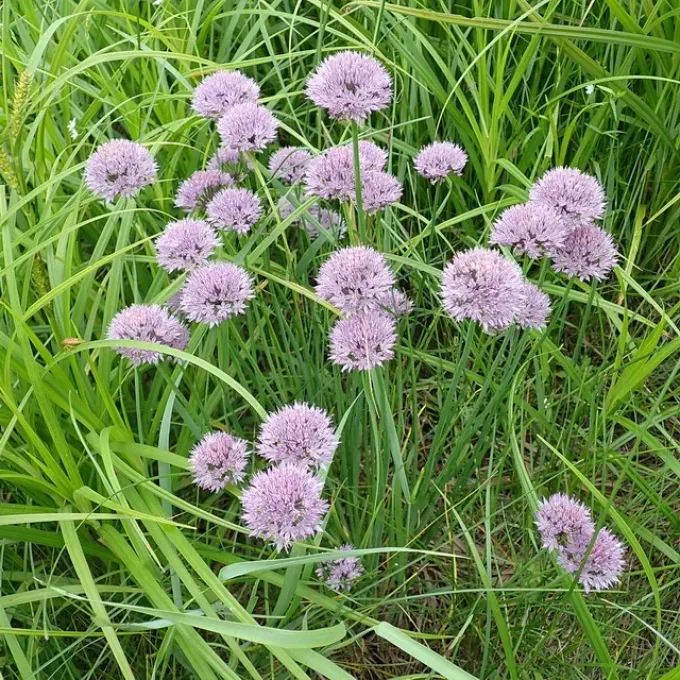
Maximowicz onion (Allium maximowiczii) is a perennial herbaceous plant belonging to the Amaryllidaceae family. Native to East Asia, including the Russian Far East, Japan, and China, it is typically found in meadows, riverbanks, and marshy habitats.
The plant is propagated primarily through seeds or by dividing mature clumps. Sowing seeds in open ground is best performed in early spring or late autumn to facilitate natural stratification, which improves germination rates significantly.
Division of the clumps is the most efficient way for established gardens to increase stock. This process should ideally occur in early spring before active vegetative growth starts or in the autumn, giving the plants sufficient time to re-establish their root systems.
Seeds should be planted at a shallow depth of approximately one centimeter. Consistent moisture is crucial during the germination phase, as the small seeds can dry out rapidly if the top layer of soil is not properly maintained.
During the first year, the plant focuses on developing a compact rosette of linear leaves. By the second or third year, it matures sufficiently to produce attractive inflorescences on stalks that can reach up to 50 centimeters in height.
Growing requirements
This crop thrives in sunny locations but can tolerate partial shade during the hottest parts of the day. It is highly resistant to cold temperatures, making it a reliable perennial for various climate zones without needing winter protection.
Soil requirements include fertile, well-draining loams that are rich in organic matter. While the plant appreciates moisture, it cannot tolerate waterlogging, so planting on elevated beds is recommended for areas with heavier, clay-based soil.
Maintenance includes weeding and loosening the soil around the plants to ensure proper aeration. Mulching is a beneficial practice, as it helps retain soil moisture, suppresses weed growth, and protects the soil from compaction.
Regular watering is necessary during dry spells to maintain succulent, tender leaves. If the soil remains too dry for extended periods, the leaves may become fibrous and lose their characteristic delicate flavor.
Organic fertilization, such as well-rotted compost, provides the essential nutrients needed for vigorous growth. Applying this in the early spring encourages the production of new leaves, ensuring multiple harvests throughout the season.
Main diseases and pests
The Maximowicz onion is generally robust, but it can be susceptible to onion flies if grown in monocultures. Intercropping or using physical barriers like fine mesh covers during the pest's peak activity can significantly reduce damage.
Fungal diseases, including downy mildew, may appear in overly damp conditions with poor air circulation. Proper spacing between plants is the most effective preventative measure to ensure that the foliage dries quickly after rain.
Rust can occur if the local climate has high humidity combined with temperature fluctuations. Removing and disposing of infected plant material promptly helps prevent the spores from spreading to healthy plants in the patch.
Thrips may occasionally attack the plants during particularly dry and hot weather. Controlling these pests often involves washing the foliage or using organic soap sprays, which are safe for edible crops.
Crop rotation remains the best strategy for long-term health. Moving the patch to a new location every few years prevents the accumulation of soil-borne pathogens and keeps the plant population thriving for longer periods.
Harvesting
Harvesting for fresh greens begins in the spring once the leaves reach about 15–20 centimeters in height. This early growth makes it an excellent source of fresh, flavorful greens when other garden crops are still just beginning to emerge.
When harvesting, cut the leaves carefully with sharp scissors, leaving the growth point intact to allow the plant to regenerate. This method supports a sustainable harvest, providing several cuttings during a single growing season.
The small, clustered bulbs are also edible and possess a sharp, pleasant taste. They can be harvested in late autumn for use in cooking, providing a flavorful addition to soups, stews, and other culinary dishes.
Since the harvested greens do not have a long shelf life, it is best to consume them immediately after cutting. For short-term storage, keeping them in a plastic bag in the refrigerator will maintain their freshness for up to a week.
If the intention is to collect seeds, the foliage must not be cut during the flowering phase. The flower heads should be left on the stalk until they turn brown and the seed capsules begin to dry and open naturally.