
Massaessylum onion
Allium massaessylum
Description
Growing requirements
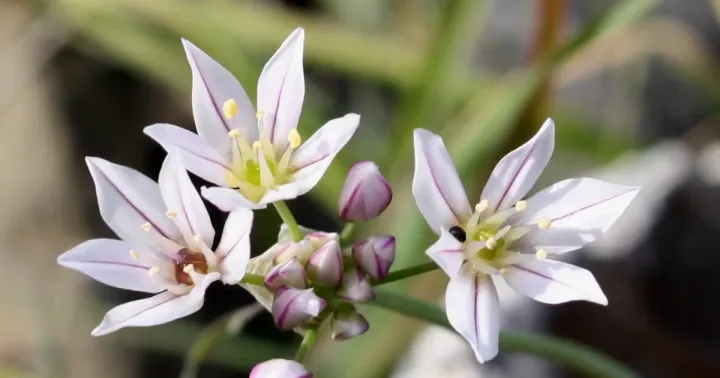
Massaessylum onion (Allium massaessylum) is a perennial herbaceous plant belonging to the Amaryllidaceae family. It is a rare species native to specific Mediterranean regions, including parts of North Africa, where it thrives in distinct ecological niches.
Botanically, the plant features slender, grass-like leaves and a characteristic inflorescence typical of the Allium genus. It has adapted to dry summers, which is a fundamental aspect of its biological rhythm and growth cycle in its natural habitat.
For successful cultivation, this species requires well-draining soil that mimics its native rocky or sandy environment. The substrate should be lean and neutral in terms of chemical reaction to avoid nutrient toxicity or physiological imbalances during the growth phase.
Optimal growth conditions involve high light intensity and proper ventilation. In agricultural settings, it is best placed in open areas where air circulation prevents the accumulation of humidity, which is detrimental to the health of its bulbs.
The agrotechnical management requires a careful irrigation schedule that follows seasonal changes. It is crucial to provide moisture only during the period of active growth and to maintain a dry environment during dormancy to prevent rotting of the root system.
Main diseases and pests
The primary threats to Allium massaessylum are soil-borne pathogens, particularly fungi that thrive in waterlogged conditions. Preventing root and bulb rot is the highest priority for growers attempting to maintain this collection.
Pests such as onion maggots and aphids can cause significant damage to the vegetative parts. Integrated pest management, including the use of trap crops and targeted organic pesticides, is essential for maintaining crop health in a stable production environment.