
Allium macrostemon
Allium macrostemon
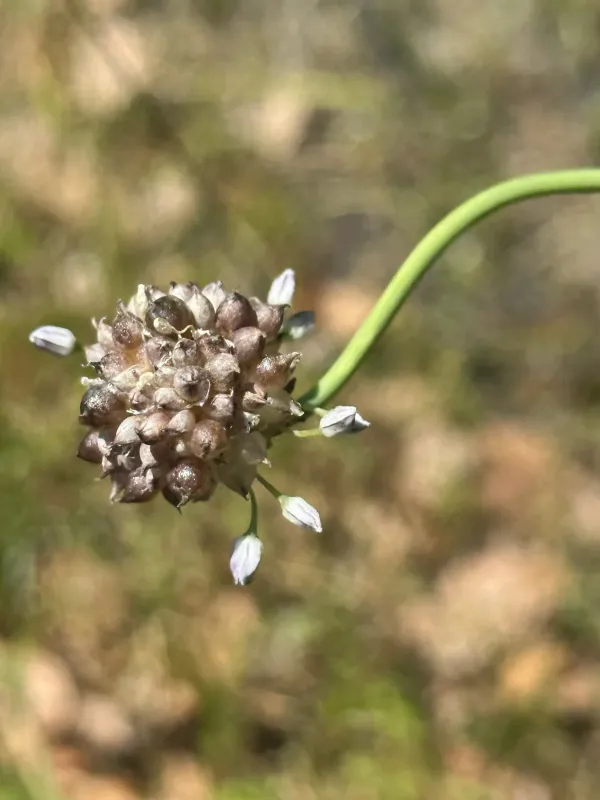
Description
Sowing dates
Allium macrostemon, commonly known as the long-stamen chive, is a perennial plant belonging to the Amaryllidaceae family. In its natural habitat, it reproduces through seeds that mature in late summer and vegetatively via small bulblets developing around the parent bulb.
For agricultural cultivation, sowing is performed in early spring as soon as soil temperatures reach 5-8 degrees Celsius. Seeds are sown at a shallow depth of 1-2 centimeters, ensuring appropriate spacing for optimal growth and bulb development.
Pre-soaking seeds in growth-promoting solutions can significantly accelerate germination rates. Seedlings typically emerge within 15-20 days, after which thinning is required to maintain a distance of approximately 10-15 centimeters between individual plants.
Vegetative propagation using bulblets is a common alternative for commercial growers, carried out either in early spring or late autumn. This method often results in faster crop establishment and more uniform plants compared to seed-based cultivation.
The crop exhibits robust regeneration capabilities, allowing it to recover quickly from minor mechanical damage or stressful environmental conditions provided that sufficient moisture and nutrients are available.
Growing requirements
Allium macrostemon thrives in well-lit locations with light, fertile sandy or loamy soils. Proper drainage is essential, as the species is highly sensitive to waterlogging, which can rapidly lead to root decay and decreased yields.
The ideal soil pH for this crop ranges from 6.0 to 7.0. Soils that are excessively acidic inhibit nutrient absorption, necessitating lime application to optimize growing conditions before planting the crop in the field.
While the plant shows moderate winter hardiness, consistent cold climates may require protective mulching to safeguard the bulbs, which typically reside in the upper soil layers and are vulnerable to extreme freezing temperatures.
Regular but controlled irrigation is required during the active growth phase. Overwatering during the bulb maturation period is discouraged, as it may negatively impact the storage life and overall quality of the harvested produce.
Weed management is a critical component of crop maintenance. The plant cannot effectively compete with aggressive weeds, making frequent inter-row cultivation and hand weeding necessary to ensure a healthy and high-yielding crop.
Yield
The yield of Allium macrostemon is contingent upon the intensity of agricultural management practices and local environmental conditions. Average yields range from 1.5 to 2.5 kilograms per square meter of cultivated area.
Implementing a balanced fertilization program, focusing on nitrogen during early growth and phosphorus-potassium before bulb formation, significantly increases both leafy biomass and bulb quality.
The bulbs are generally small and often grow in clusters. Although the individual weight of each bulb is low, they are highly valued for their nutritional profile, high essential oil content, and distinct pungent flavor.
Selecting high-quality planting material ensures crop uniformity and consistency. Utilizing healthy bulbs-offsets instead of seeds allows for a more predictable development timeline and overall higher success rates for professional growers.
Strategic management of the harvest cycle, including proper spacing and nutrient availability, allows for maximizing the commercial output of this versatile species in diverse agricultural settings.
Main diseases and pests
Common diseases affecting Allium macrostemon include downy mildew and rust, both of which thrive in high-humidity conditions and poor air circulation. These fungal pathogens can severely impact the quality of the foliage.
Pests such as the onion fly and various weevils present significant risks. Their larvae can burrow into the bulbs, causing decay and widespread plant death if left unchecked within the field or garden plot.
Adhering to a strict crop rotation schedule is the most effective preventative measure. Avoiding the planting of Allium species on the same plot for at least 3-4 years helps reduce the build-up of specific soil-borne pathogens.
Chemical or biological control methods should be employed cautiously and strictly according to regional agricultural guidelines. Regular visual monitoring of the crops allows for the early detection and management of potential outbreaks.
Sanitation practices, such as the prompt removal and destruction of infected plants, are essential for limiting the spread of diseases and pests throughout the crop area during the growing season.
Harvesting
The harvesting of greens can be conducted incrementally throughout the growing season, starting once the leaves reach a height of 15-20 centimeters. Careful trimming ensures that the plant remains healthy for continued growth.
The main bulb harvest occurs after the leaves begin to yellow and wither, indicating the plant has entered dormancy. Harvesting at this stage ensures the bulbs have sufficient energy stored for storage or replanting.
Post-harvest, bulbs should be dried in a well-ventilated, shaded area for about a week. This process allows the outer scales to harden, which is crucial for preventing spoilage during the long-term storage phase.
For storage, bulbs should be cleaned of dirt, with roots and dried foliage trimmed to a short neck. They should be kept in a cool, dry environment at temperatures ranging between 2 and 5 degrees Celsius for maximum longevity.
Properly cured and stored Allium macrostemon maintains its flavor and health benefits for several months, making it a valuable addition to both culinary kitchens and natural medicine practices.