
Rush garlic
Allium junceum
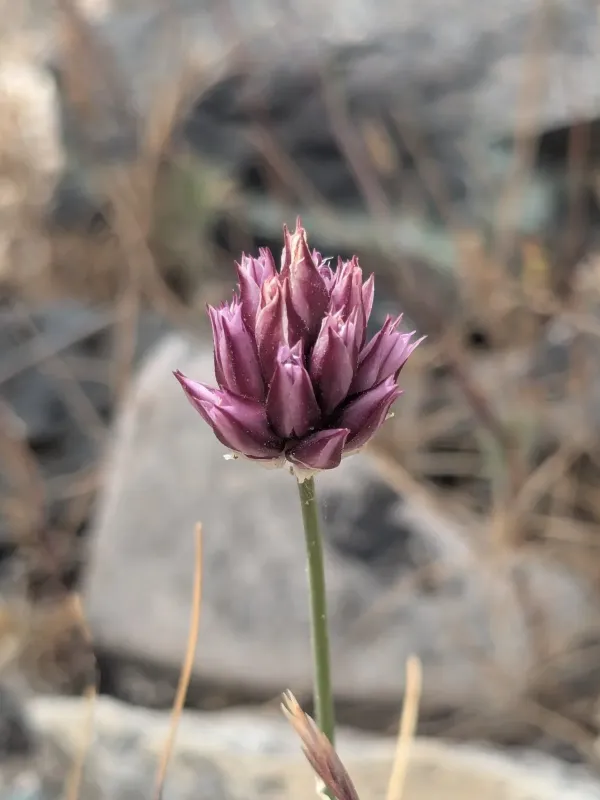
Description
Growing requirements
Allium junceum, commonly known as rush garlic, is a perennial herbaceous plant belonging to the Amaryllidaceae family. It is native to arid regions where it has evolved to thrive under harsh climatic conditions with limited water availability.
The plant is defined by its distinct botanical features, including extremely narrow, rush-like foliage and a small, elongated bulb. These adaptations allow the plant to conserve moisture effectively during periods of drought.
To successfully cultivate this species, growers must provide well-drained, sandy, or loamy soil. The plant is highly intolerant of waterlogged conditions, which can quickly cause root damage and bulb decay.
This species requires high light exposure and prefers full sun throughout the growing season. It is well-adapted to high temperatures, making it a resilient option for regions with intense solar radiation and minimal rainfall.
While not a traditional commercial vegetable crop, Allium junceum is increasingly recognized by researchers for its potential in breeding programs due to its superior drought tolerance and genetic adaptability to extreme environments.
Main diseases and pests
The primary threats to Allium junceum include various fungal pathogens that flourish in damp environments. Root rot and neck rot are the most common issues arising from poor soil drainage or excessive irrigation practices.
Pests such as onion flies and thrips pose significant risks, as they target the succulent tissues of the plant. Infestations can weaken the plant structure, leading to stunted growth and increased susceptibility to secondary microbial attacks.
Effective management begins with proper site selection and soil preparation to ensure optimal drainage. Maintaining appropriate spacing between plants helps promote air circulation, which is crucial for preventing fungal outbreaks.
Integrated pest management strategies should be employed to control populations of harmful insects. This includes the use of selective insecticides and the encouragement of natural predators within the cultivation area.
Consistent monitoring and the adoption of good agricultural practices, such as proper crop rotation, are essential for keeping the crop healthy and ensuring the long-term viability of the plants in a production system.