
Shrubby onion
Allium dumetorum
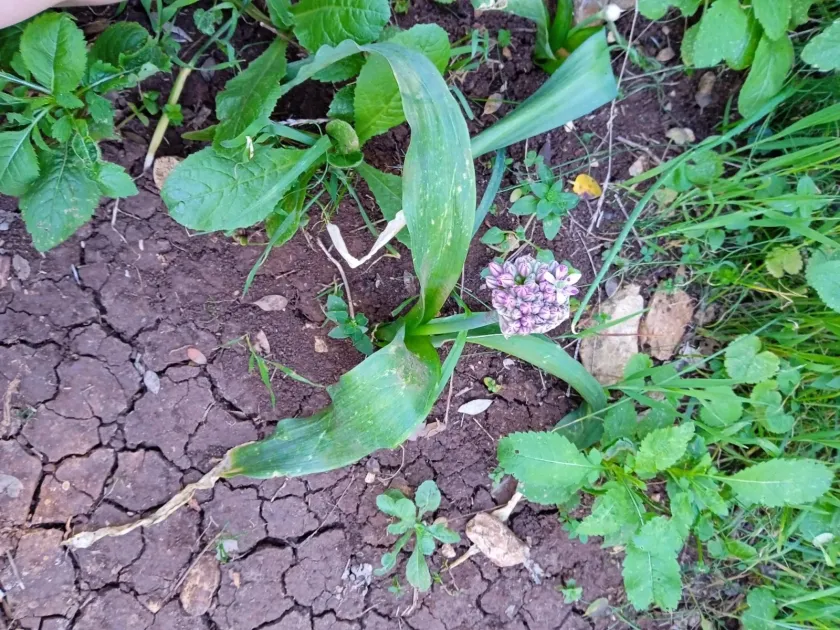
Description
Growing requirements
Shrubby onion (Allium dumetorum) belongs to the Amaryllidaceae family. This perennial plant is native to arid mountain regions, where it has adapted to thrive in harsh, rocky, and well-drained environments.
Botanically, it is characterized by compact bulb clusters and succulent, hollow foliage. It is highly valued for its resilience and ability to withstand significant temperature fluctuations typical of its natural range.
The plant requires full sun and soil with excellent drainage. Heavy clay soils are unsuitable, as they lead to root suffocation and bulb rot during the dormant season, which is critical to avoid.
Soil pH should ideally be neutral or slightly alkaline. Incorporating organic matter into the soil prior to planting significantly improves growth rates and overall vigor of the bulbs.
Proper spacing is essential to ensure adequate airflow between plants, which is the most effective way to prevent moisture-related issues and fungal infections in a garden setting.
Main diseases and pests
The primary threats include downy mildew and botrytis, which are triggered by stagnant air and high humidity. Proper crop spacing remains the best cultural control method.
Pests such as onion maggots and thrips are common occurrences. They can significantly reduce the yield and quality of the bulbs if left untreated during the early spring season.
Root rot caused by soil-borne pathogens can be a major issue if irrigation is excessive. Monitoring moisture levels is critical for plant health.
Implementing a strict crop rotation program prevents the buildup of soil-borne diseases that are specific to the Allium genus.
Regular inspection of the basal plate of the bulb is recommended to detect signs of early pest damage or fungal degradation before they become widespread.