
Allium decipiens
Allium decipiens
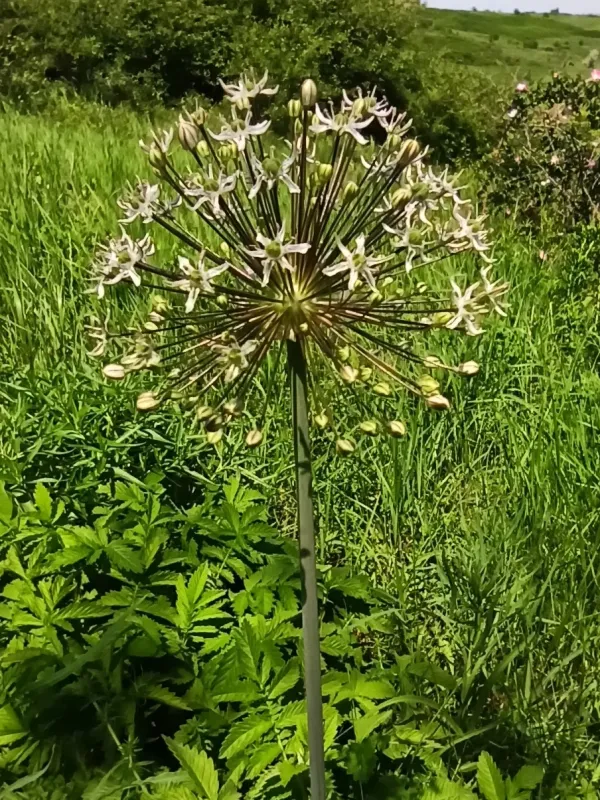
Description
Sowing dates
Allium decipiens is a perennial bulbous plant belonging to the Amaryllidaceae family. It is known for its resilience and adaptability to various climates, making it a unique subject for agricultural cultivation.
Sowing should be performed in early spring or late autumn. If sown in autumn, seeds benefit from natural stratification, which enhances germination rates compared to spring sowing in untreated soil.
The seeds are relatively small, requiring shallow placement at a depth of approximately 1 to 2 centimeters. Ensuring good seed-to-soil contact through gentle rolling is essential for successful seedling emergence.
Proper spacing is crucial for the development of individual plants. A distance of at least 25 centimeters between rows allows for sufficient aeration, reducing the risk of humidity-related fungal issues.
Once seedlings have reached the two-leaf stage, they require diligent weeding. Allium decipiens is sensitive to competition from aggressive weeds, particularly in the first months of its growth cycle.
Growing requirements
This crop thrives in well-drained, fertile soils with a neutral pH. It is particularly sensitive to waterlogging, so selecting an elevated or sloped site is advisable for large-scale production.
The plant demonstrates significant cold tolerance, making it suitable for regions with harsh winters. It initiates growth very early in the spring, often as soon as the snow melts, providing fresh produce early in the season.
Moderate light conditions are preferred. While Allium decipiens can tolerate partial shade, maximum yield is achieved in full sun exposure, which encourages leaf development and oil production.
Fertilization should be balanced, focusing on potassium and phosphorus to support bulb development and winter hardiness. Excessive nitrogen can lead to overly tender, succulent leaves that are more prone to mechanical damage.
Water management is critical during the peak of the growing season. While the plant can handle drought, supplemental irrigation during prolonged dry spells significantly boosts biomass production.
Yield
The yield of Allium decipiens is primarily concentrated in its edible leaves. By implementing a systematic harvesting approach, farmers can achieve multiple cuts throughout a single growing season.
As a perennial, the crop establishes itself firmly over several years. High yields are typically maintained for 5 to 7 years before the clump needs to be divided to rejuvenate the planting area.
Besides fresh consumption, the plant has potential in niche culinary markets where wild or specialty onion varieties are valued. Its sharp flavor profile makes it a desirable ingredient in high-end culinary applications.
Sustainable harvesting practices prevent plant exhaustion. It is vital to leave enough foliage after each harvest to ensure that the bulb has enough energy stored for regrowth and winter survival.
Total seasonal yield is influenced by soil fertility and irrigation frequency. With intensive management, Allium decipiens can become a highly profitable early-season crop for localized markets.
Main diseases and pests
Fungal pathogens such as downy mildew are the primary concern for this crop. Management strategies should focus on preventing leaf wetness and ensuring adequate plant spacing for optimal air circulation.
The onion maggot is a recurring threat in many regions. Crop rotation is the most effective preventative measure to ensure that populations do not build up in the soil over consecutive seasons.
Thrips can also infest the leaves, leading to stunted growth and reduced marketability. Monitoring the undersides of leaves is essential for early detection and timely intervention with bio-based control methods.
Soil-borne rot may occur if the drainage is inadequate. Using raised beds or improving soil structure with organic amendments can significantly mitigate the risk of losing plants to rot.
Integrated pest management is recommended to keep the produce clean and safe for direct consumption. Avoiding synthetic chemical pesticides is important, as the leaves are often harvested just before fresh sale.
Harvesting
Harvesting usually begins in early spring. The leaves should be cut with sharp shears approximately 2 to 3 centimeters above the soil line to preserve the growing crown of the plant.
For bulb harvesting, wait until the foliage begins to yellow and fall over, indicating that the bulb has reached maturity. This typically occurs in mid-summer, allowing for proper dormancy.
Seeds are collected from the flower stalks once the capsules start to turn brown. This requires careful timing to prevent shattering, as seeds are easily lost if the capsules open in the field.
Post-harvest handling is critical for preserving quality. Leaves should be cooled immediately after harvesting to prevent wilting and maintain the crisp texture desired by consumers.
Storing bulbs requires cool, dry, and well-ventilated conditions. Properly cured bulbs can remain in storage for several months if protected from excessive heat and direct sunlight.