
Danin onion
Allium daninianum
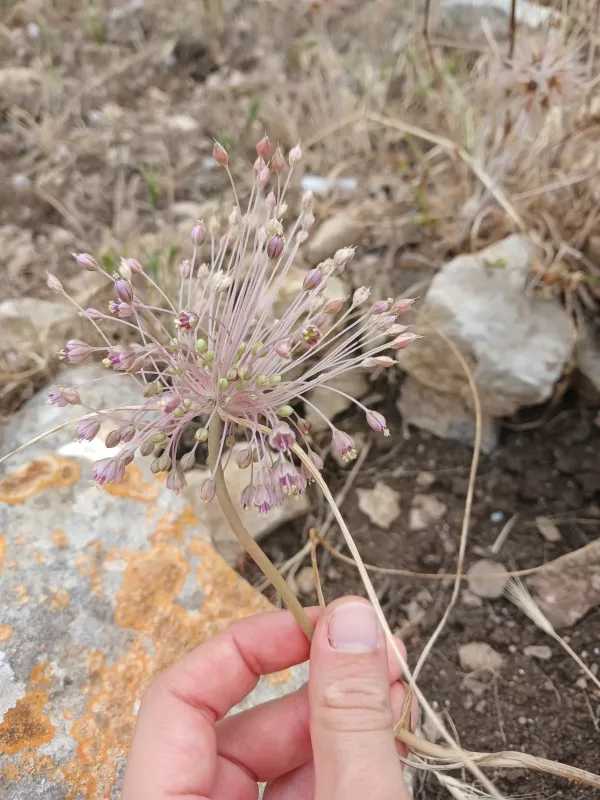
Description
Sowing dates
Sowing Danin onion seeds is typically performed in early spring as soon as the soil reaches a temperature suitable for germination, usually around 10 degrees Celsius.
In regions with milder winters, autumn sowing can be a viable strategy, allowing the seeds to undergo natural stratification and emerge earlier in the spring.
For those using the transplant method, seeds should be started indoors in trays during late winter to ensure a robust root system before the final planting.
Seed depth should be kept shallow, approximately 1 to 2 centimeters, ensuring that the seeds have enough soil contact but can easily push through the surface.
Maintaining consistent moisture levels is critical during the initial germination phase to avoid seed dehydration, which is a common cause of failure in onion crops.
Growing requirements
Allium daninianum is a member of the Amaryllidaceae family, characterized by its resilient nature and adaptation to rocky or mountain terrains within its native range.
The plant requires full sun exposure to thrive, as shade significantly decreases its vitality and hinders the proper development of the bulbs and foliage.
Well-drained, porous soil is essential; heavy clay soils that retain water must be amended with sand or organic matter to improve aeration and prevent root rot.
Watering requirements are moderate, and gardeners should focus on delivering water deeply to the roots rather than keeping the surface soil permanently wet.
The species is quite hardy and performs best in climates that mimic its natural habitat, with cool nights and sunny, warm days throughout the growing cycle.
Main diseases and pests
The most significant threats to the species include fungal pathogens like downy mildew, which can spread rapidly during periods of high humidity and poor ventilation.
Pests such as onion thrips and onion maggots are common adversaries that can cause substantial damage to the leaves and developing bulbs, respectively.
Effective management requires a combination of cultural practices, such as choosing site locations with excellent air drainage and maintaining clean, weed-free beds.
If chemical interventions are necessary, they should be applied precisely and only when monitoring indicates a threshold that threatens overall crop health.
- Inspection for signs of yellowing or distorted leaf growth.
- Proper sanitation by removing all plant debris after the harvest season.
- Avoidance of overhead irrigation to keep the foliage as dry as possible.