
Allium curtum
Allium curtum
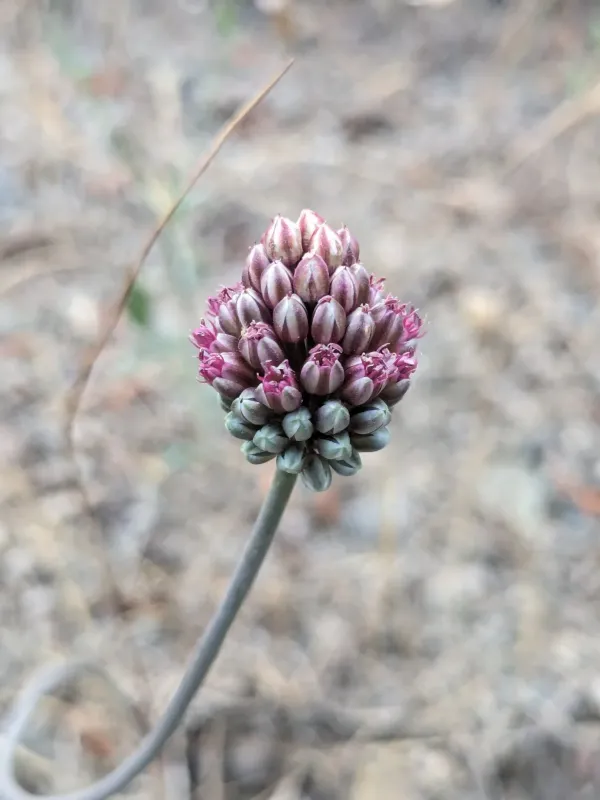
Description
Sowing dates
Allium curtum belongs to the Amaryllidaceae family and is recognized as a hardy, perennial bulbous species with unique adaptation mechanisms to arid environments.
Propagation is primarily achieved through seeds, which require a period of cold stratification to break dormancy and ensure high germination rates during the spring season.
When sowing in agricultural settings, seeds should be placed at a shallow depth of 1-2 centimeters in well-prepared, aerated seedbeds to facilitate healthy sprout emergence.
Autumn sowing is preferred in many regions as it allows the seeds to undergo natural winter chilling, which effectively synchronizes the growth cycle with the upcoming spring.
Proper plant spacing is essential to prevent overcrowding, which can otherwise lead to restricted growth and increased competition for essential soil nutrients.
Growing requirements
As a xerophytic species, Allium curtum is highly adapted to dry climates, including steppes and rocky slopes, requiring minimal supplemental water once established.
The ideal soil for this crop is light, sandy, or loamy soil with excellent drainage properties to ensure the bulbs do not remain in waterlogged conditions.
Sunlight is a crucial requirement; the site must be fully exposed to solar radiation for the majority of the day to support the plant's metabolic functions.
Soil pH levels should generally be neutral or slightly alkaline, as the species thrives in habitats where the soil is rich in minerals and free from excess acidity.
Temperature tolerance is broad, allowing the plant to withstand significant fluctuations between daytime heat and nighttime cooling, characteristic of its native habitats.
Main diseases and pests
Fungal diseases, specifically downy mildew, represent the most significant threat to the health of Allium curtum, particularly when humidity levels are excessively high.
Root rot is another major risk factor if the field management plan does not account for adequate water runoff and proper soil structure maintenance.
Pests like the onion fly and various species of thrips can significantly damage foliage and bulbs, necessitating a proactive approach to integrated pest management.
Maintaining a strict crop rotation schedule helps reduce the accumulation of soil-borne pathogens and pests that specifically target members of the Allium genus.
Early monitoring of the field allows for the identification of pest outbreaks, enabling targeted intervention before the health of the entire crop population is compromised.
Harvesting
Harvesting Allium curtum should be timed with the natural senescence of the foliage, occurring when the aerial parts begin to turn yellow and eventually dry out.
Timing the harvest during dry periods is essential to prevent moisture-related decay, which can lead to rapid deterioration of the bulbs during the storage phase.
Once lifted from the soil, the bulbs should be cleaned of dirt and left to cure in a shaded, well-ventilated area to ensure that the protective skins are properly set.
Sorting should be conducted immediately after curing to remove any damaged or diseased bulbs, ensuring that only the highest quality produce is kept for future use.
Storage should be conducted in cool, dry conditions with constant air circulation to maintain bulb viability and prevent the onset of dormancy-related health issues.