
Cupani's onion
Allium cupani
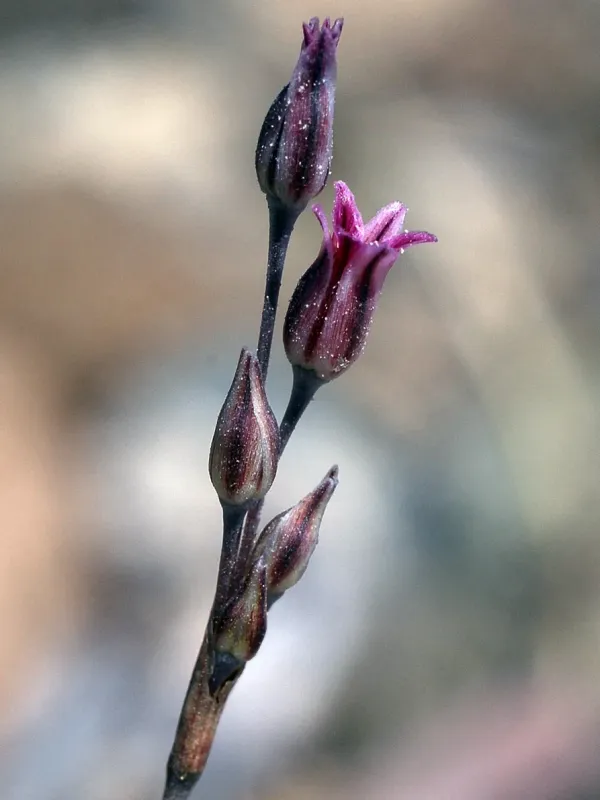
Description
Sowing dates
Cupani's onion (Allium cupani) belongs to the Amaryllidaceae family. It is a bulbous perennial that is primarily valued for its compact growth and elegant, delicate flowering, making it a favorite for alpine collectors.
The propagation of this species is most successful through seeds. They require a cold stratification period to break dormancy, which mimics the natural winter cycles of their native Mediterranean habitats.
When sowing in trays, it is recommended to keep the seeds in a cool place or a refrigerator for several weeks before moving them to a warmer area to trigger germination in early spring.
Seedlings are very fine and delicate in their initial stages. They require a lightweight, well-draining seed-starting mix to ensure that the roots receive sufficient oxygen and do not become waterlogged.
Transplanting should be done with extreme care once the seedlings reach a sufficient size. As the plants grow, they form small clusters of bulbs that can eventually be divided once the parent plant has gone dormant.
Growing requirements
This plant is naturally adapted to dry, stony environments. Consequently, it requires a position in full sun to thrive. Without adequate sunlight, the foliage may become etiolated and flowering will be significantly reduced.
The soil must be extremely well-draining, such as a sandy or gritty loam. In heavier soils, the addition of gravel or coarse sand is necessary to create a substrate that mimics the plant's native rocky slopes.
Cupani's onion is highly drought-tolerant once established. It does not tolerate "wet feet" and can quickly succumb to rot if the soil remains saturated for extended periods during the growing season.
Regarding soil pH, a neutral to slightly alkaline environment is preferred. This mimics the limestone-rich soils where the species often occurs naturally in its home range across the Mediterranean.
In terms of climate, it appreciates moderate temperatures but needs protection from excessive winter moisture. In colder climates, a covering of dry mulch or placement under a rain-shelter during winter can improve survival rates.
Main diseases and pests
The most common issues for this Allium species are related to moisture levels. Root rot and basal rot are frequent problems when the drainage is insufficient or when the soil remains too damp during dormancy.
Pests such as onion flies can cause damage to the bulbs. Monitoring for signs of wilting or stunted growth is crucial, as larval infestation can kill a bulb cluster before the damage becomes visible above ground.
Thrips may occasionally affect the foliage, causing silvery streaking or distorted leaf growth. If infestation is severe, applying horticultural oils or appropriate insecticides is recommended to preserve plant vigor.
Fungal diseases like downy mildew may appear if air circulation around the plants is poor. This is typically observed in dense, unthinned plantings or in areas with high humidity and stagnant air.
Good cultural practices, such as ensuring proper spacing between plants and removing dead debris at the end of the season, are the best methods to minimize the risk of these common pathogens and pests.