
Mediterranean onion
Allium commutatum
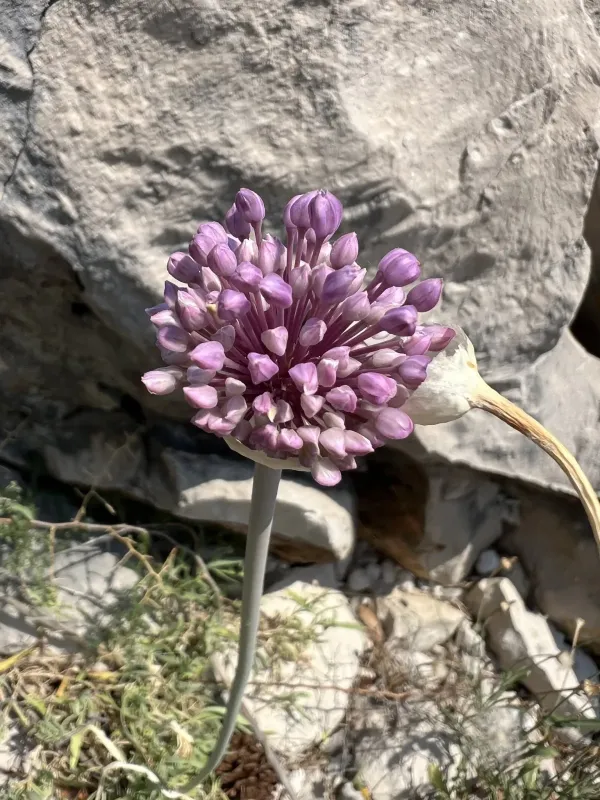
Description
Growing requirements
The Mediterranean onion (Allium commutatum) is a perennial herbaceous plant belonging to the Amaryllidaceae family. It is native to the Mediterranean basin, where it typically thrives in rocky coastal cliffs and dry, stony habitats.
As a xerophytic species, it is remarkably adapted to arid environments and saline soils. Cultivation requires well-draining soil and full sun exposure to prevent bulb rot and ensure the plant achieves its full biological potential.
This species prefers light, gritty, or sandy soils with a neutral to alkaline pH level. Its ability to withstand prolonged dry spells makes it an excellent candidate for low-maintenance landscaping and rock gardens.
Botanically, Allium commutatum is defined by its tough, tunicated bulbs and narrow, channeled leaves. A key distinctive feature is its late-summer bloom, which produces dense, spherical umbels that attract various pollinators.
In agricultural practice, the Mediterranean onion is valued for its hardiness and potential as a niche crop. Beyond its food value, it is widely appreciated in decorative horticulture for its unique structure and late flowering period.
Main diseases and pests
The primary threats to Allium commutatum include fungal diseases such as downy mildew and basal rot, which are triggered by excessive moisture and poor air circulation around the plant base.
Insect pests such as the onion fly (Delia antiqua) pose a significant risk, as larvae feed on the bulb tissues, leading to plant decline. Thrips may also affect the foliage, particularly during hot and dry weather conditions.
To mitigate these threats, it is essential to provide optimal drainage and avoid overhead irrigation. Proper spacing between plants is crucial to ensure adequate airflow and reduce the humidity levels that favor fungal growth.
Integrated pest management strategies should be employed, focusing on cultural practices such as crop rotation and the removal of infected plant debris to prevent the buildup of pathogens in the soil.
When chemical intervention is necessary, the use of targeted fungicides or insecticides should be managed according to standard protocols for bulb crops, ensuring minimal impact on the local environment.