
Allium chamaespathum
Allium chamaespathum
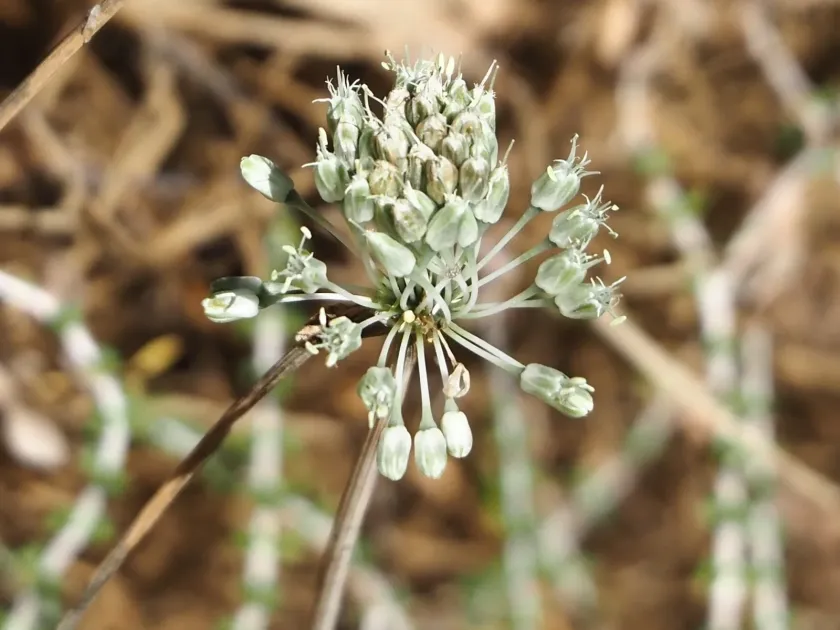
Description
Sowing dates
Allium chamaespathum belongs to the Amaryllidaceae family and is a perennial plant native to rocky habitats. It is a bulbous geophyte that adapts to specific ecological niches characterized by seasonally dry conditions.
Sowing should be performed using fresh, stratified seeds during the early spring months. Maintaining a stable temperature around 15-18°C is critical for successful germination in a controlled environment.
For vegetative propagation, bulbs should be separated during the dormancy phase in late summer. Careful handling is necessary to prevent mechanical damage to the basal plate, which is sensitive to infection.
Planting density depends on the purpose of cultivation; however, 15 to 20 cm spacing is generally recommended to allow for air circulation and nutrient availability for each individual plant.
Depth of planting for bulbs should be approximately 3-5 cm. Shallow planting can expose the bulb to extreme surface temperatures, while planting too deep may delay sprouting in the subsequent season.
Growing requirements
The culture thrives in full sun exposure. In natural habitats, it is adapted to high light conditions, which are essential for the production of energy-rich bulbs and the subsequent development of inflorescences.
Soil drainage is the most vital requirement for this species. It prefers sandy, well-draining soils that mimic the stony, lean substrates of its native range. Heavy clay soils that retain water must be avoided.
Temperature tolerance is broad, as the species is accustomed to Mediterranean-style climates. While it can withstand periods of summer heat, it remains susceptible to prolonged winter dampness if the soil is not sufficiently porous.
Fertilization should be handled with caution. Allium chamaespathum is adapted to nutrient-poor soils, and excessive nitrogen application can lead to weak tissue structure and increased susceptibility to pests.
Water management is crucial during the early growing season. Consistent moisture is beneficial during the leaf development phase, but irrigation should be significantly reduced as the plant enters dormancy.
Main diseases and pests
Fungal pathogens are the primary concern for this species, particularly basal rot caused by waterlogged soil conditions. Ensuring high soil porosity is the most effective preventative measure.
Pests such as onion maggots can target the bulb base. Crop rotation and the avoidance of planting this species in areas previously used for other Allium crops help to minimize the risk of infestation.
Insects like aphids may occasionally feed on the tender flower stalks, though they are usually not a primary threat. Integrated pest management strategies are recommended if populations reach economic thresholds.
Poor ventilation within the planting area can lead to the spread of rust diseases. Thinning out overgrown plantings and keeping the surface of the soil clean of organic debris will help maintain plant health.
In cases of severe infection, targeted fungicidal applications should be timed carefully, ensuring they are applied before the onset of the plant's final maturation stage to protect bulb quality.