
Nodding onion
Allium cernuum
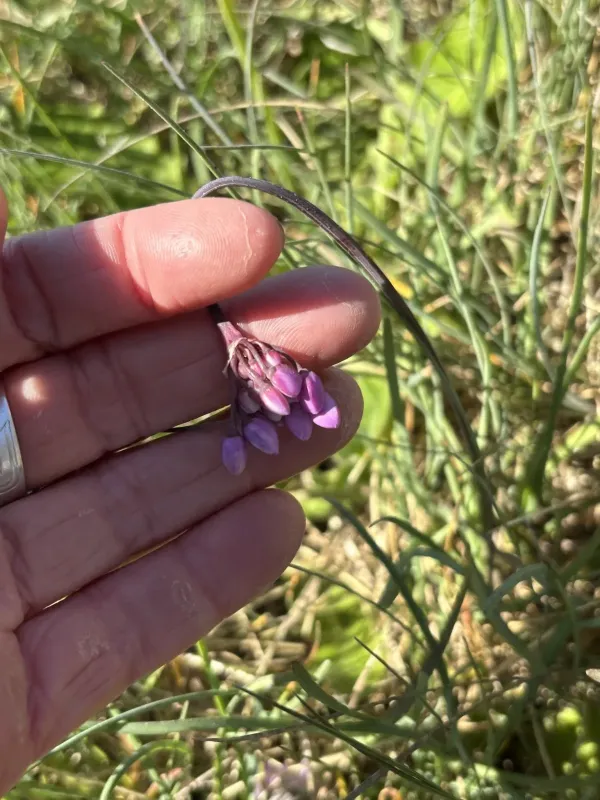
Description
Sowing dates
The Nodding Onion, scientifically known as Allium cernuum, is a hardy perennial belonging to the Amaryllidaceae family. It is best propagated via seeds sown in late autumn or early spring, allowing the natural cycle of the seasons to support germination.
Select a location with well-draining, fertile soil that receives full sun or partial shade. Sow the seeds approximately 1.5 to 2 centimeters deep, spacing rows about 25 to 30 centimeters apart to allow for robust plant development over the years.
Autumn sowing is particularly beneficial as it provides cold stratification, which significantly improves the germination rate of the seeds once the temperatures rise in early spring.
Alternatively, the plant can be propagated by dividing mature clumps. This method is highly efficient for garden settings as it yields established plants that are ready to spread and mature faster than seedlings.
Ensure the seedbed remains consistently moist during the germination period. Dry conditions during this critical phase can prevent the tiny seeds from successfully establishing their root systems.
Growing requirements
Nodding Onion thrives in a wide range of soil types, provided they are rich in organic matter and possess excellent drainage properties. It is highly adaptable but performs best in slightly acidic to neutral soil environments.
One of the most appealing features of Allium cernuum is its exceptional winter hardiness. It does not require winter protection in most temperate climates, as it naturally goes dormant during the cold months.
While the plant is somewhat drought-tolerant once established, regular irrigation during active growth stages will produce more succulent and tender foliage, which is preferred for culinary use.
Applying a thin layer of compost or organic mulch around the base of the plants in early spring provides sufficient nutrients for the season. Avoid using excessive high-nitrogen fertilizers that might lead to succulent, weak growth.
Maintenance tasks include regular weeding, as the plant does not compete well with vigorous invasive grasses. Keeping the surrounding area clear of competition ensures optimal growth and health of the onion clumps.
Main diseases and pests
The Nodding Onion is relatively pest-resistant, yet it can be susceptible to common onion-related pests such as onion maggots or thrips in some regions. Maintaining healthy soil biodiversity is the best preventative strategy.
Fungal diseases like rust or powdery mildew may occur if the plants are placed in areas with poor airflow. Thinning overcrowded clumps is a practical step to improve ventilation and reduce disease pressure.
Overwatering and heavy, compacted soils are the primary causes of root rot in this species. Ensuring the planting site has good slope or drainage is vital to keeping the bulbs healthy throughout the year.
Integrated pest management, such as using row covers during the peak activity season of onion flies, can effectively protect the crop without the need for synthetic chemical intervention.
Regular inspection of the foliage for discoloration or distorted growth allows for early intervention, ensuring that the perennial patch remains productive for several years without major issues.
Harvesting
The foliage of the Nodding Onion is edible and can be harvested starting from the second year of growth. Snip the leaves at the base using sharp shears, taking care not to damage the crown of the plant.
For the best flavor and texture, harvest the leaves before the plant begins to produce flower stalks. The taste is mild and sweet, making it an excellent addition to soups, salads, and vegetable stir-fries.
The nodding flower stalks themselves are also edible and provide a unique visual and culinary element to dishes. They are often used as a garnish or incorporated into savory dips and salsas.
Harvested foliage is best used fresh immediately after cutting. If storage is necessary, the leaves can be kept in a plastic bag in the refrigerator for a few days, though they will lose crispness over time.
For sustainable yield, do not harvest more than one-third of a clump at any single time. This ensures that the plant has enough energy reserves to regrow and survive through the following winter.