
Carmel onion
Allium carmeli
Description
Growing requirements
The Carmel onion (Allium carmeli) is a bulbous perennial belonging to the Amaryllidaceae family. This species is native to the Eastern Mediterranean, primarily found in the mountainous and rocky terrains of Israel, where it thrives in specific limestone-based habitats.
As a geophyte, the plant is uniquely adapted to a Mediterranean climate. It undergoes a dormant phase during the hot and dry summer months, surviving in the form of a subterranean bulb, and resumes its vegetative cycle when the cooler, wetter winter season begins.
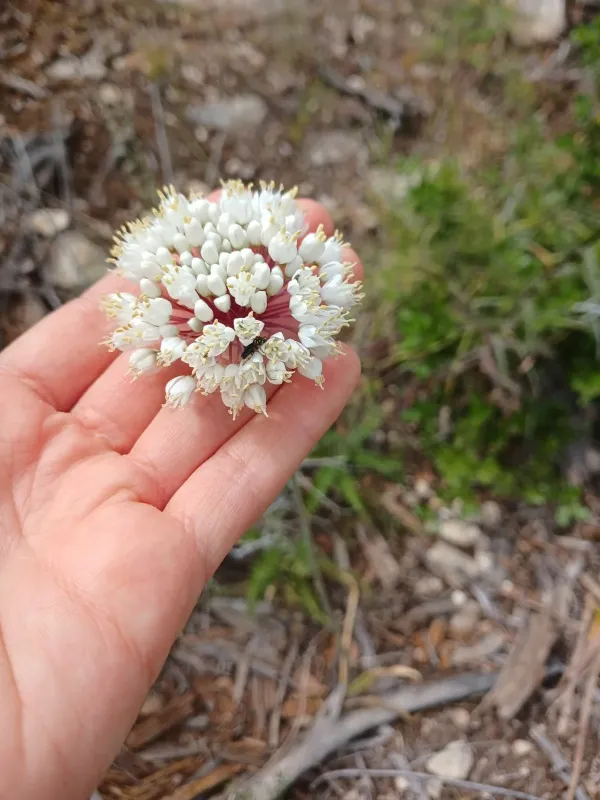
The botanical structure consists of slender, narrow leaves and a classic umbel inflorescence. The flowers are typically white or pale lavender, providing essential resources for local pollinators during the spring blooming season in its native environment.
Cultivation of Allium carmeli requires soil with excellent drainage and full sun exposure. It does not tolerate waterlogged soils, which can lead to rapid bulb decay. Due to its specific ecological requirements, it is primarily grown by enthusiasts of rare bulbous plants.
Beyond its ornamental appeal, the Carmel onion is of scientific interest for its drought-resistance traits. Conservationists emphasize the importance of protecting its wild habitats from urban sprawl and intensive agriculture to maintain the genetic diversity of this Mediterranean species.
Main diseases and pests
The main threats to Allium carmeli in the wild include habitat loss, grazing pressure, and competition from invasive plant species. In garden settings, the plant is susceptible to fungal rots if exposed to humid environments or improper soil drainage.
Common pests include onion maggots and various larvae that can tunnel into the bulbs. Managing these threats involves careful irrigation practices and maintaining optimal soil conditions to ensure the plant's health throughout its annual growing cycle.