
Allium akaka
Allium akaka
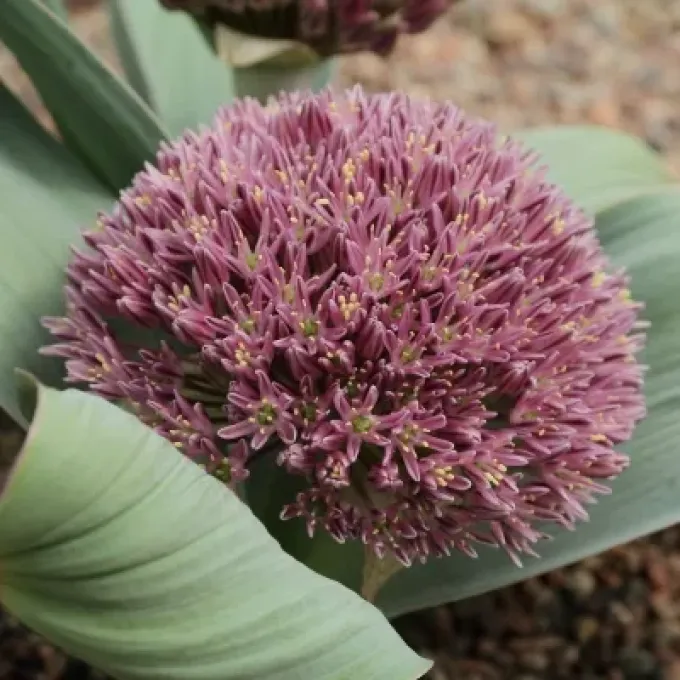
Description
Sowing dates
Allium akaka is a perennial ephemeral plant that requires specific timing for planting in a garden setting. Bulbs should be planted during the autumn months to allow for proper root development before the winter dormancy period begins.
Planting depth should be approximately 8–10 centimeters to protect the bulb from frost and ensure stability in the soil. A well-drained planting spot is critical, as excess moisture during the dormant phase can lead to bulb rot.
When propagating from seeds, cold stratification is necessary to mimic the natural winter conditions found in its native mountain habitats. Seeds are best sown in containers during late autumn, kept in a cool location until germination occurs in spring.
Seedlings typically take several years to reach flowering maturity. A planting density of 15–20 bulbs per square meter is recommended to ensure each plant receives adequate nutrients and space to expand its foliage.
Although the plant is hardy, providing a protective layer of mulch can help shield young shoots from fluctuating spring temperatures during their initial emergence from the soil.
Growing requirements
Allium akaka, a member of the Amaryllidaceae family, originates from the rocky mountainous regions of the Middle East, including Turkey, Iraq, and Iran. This geographical origin dictates its preference for specific environmental conditions.
The plant thrives in full sun and requires an open, unobstructed location to maintain its compact form and vibrant growth. Shade or partial light will likely result in weak, leggy stems and poor flower production.
Soil requirements include excellent drainage and a neutral to slightly alkaline pH level. The plant is highly adapted to rocky, gritty soils, so adding sand or small gravel to the planting hole can significantly improve soil aeration.
It possesses high drought tolerance, which is essential for surviving the hot, dry summers in its natural climate. Watering should be focused on the spring growth period and tapered off as the leaves begin to yellow.
During the summer dormancy, the bulb requires a dry environment to mature and accumulate energy for the following season. Heavy fertilization is not recommended; a light application of a balanced mineral fertilizer in early spring is sufficient.
Main diseases and pests
The primary health issues for Allium akaka are linked to moisture management. Fungal infections, particularly basal rot, occur if the bulb is kept in saturated soil for extended periods, especially during the cool, wet months.
Insect pests, such as onion flies, can occasionally attack the vegetative parts. Regular monitoring of the foliage in late spring can help detect and address early infestations before they cause significant damage.
Mites can be problematic during storage if the bulbs are not properly dried. It is essential to ensure that the storage area remains well-ventilated and cool to prevent these pests from spreading through the collection.
Small rodents can also be a nuisance, potentially digging up and consuming the bulbs. Using protective wire mesh during planting is a common and effective preventative measure in garden environments.
To reduce the overall disease load, it is advisable to avoid planting in areas where other Allium species have grown recently. Rotating planting sites helps prevent the accumulation of soil-borne pathogens.
Harvesting
Harvesting of bulbs should only occur after the foliage has naturally withered and turned yellow, indicating that the plant has completed its annual growth cycle. This usually happens in mid-to-late summer.
Bulbs should be lifted carefully with a spade to avoid nicks or bruises, which are entry points for fungi. After clearing away loose soil, the bulbs should be air-dried in a shaded, well-ventilated area for several days.
Once dried, bulbs should be stored in a cool, dry place until the next planting season. Proper airflow during storage is vital to keep the bulbs in a dormant and healthy state.
In landscape gardening, Allium akaka is often left in the ground for multiple seasons. Only lift the bulbs if you need to divide them or if the current location no longer meets the plant's light or drainage requirements.
Always handle the harvested bulbs with care during transit, using breathable containers like mesh bags or wooden crates to prevent condensation and subsequent rotting of the scales.