
Nice snowbell
Acis nicaeensis
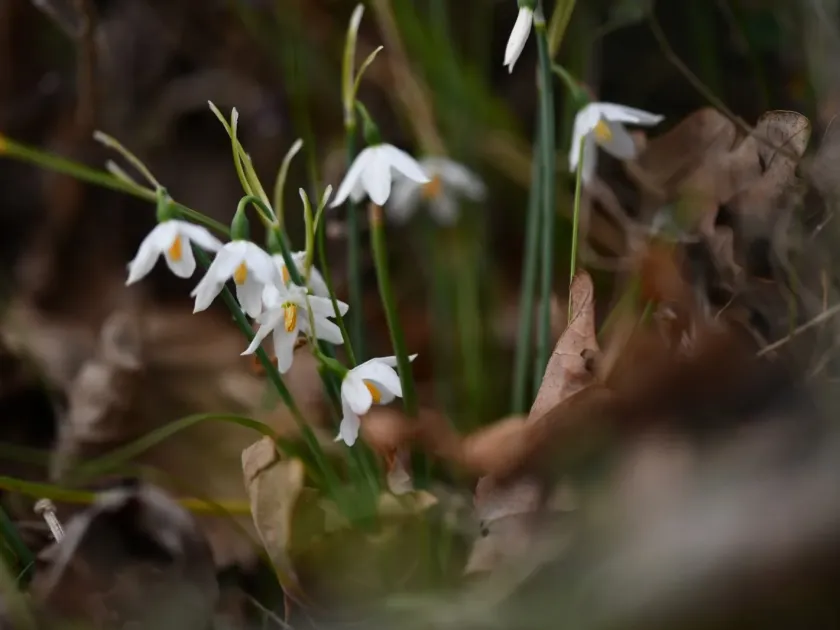
Description
Sowing dates
Nice snowbell belongs to the Amaryllidaceae family and primarily reproduces through vegetative offset multiplication or by seeds.
The best time to plant bulbs in the ground is late summer or early autumn to ensure successful root establishment before winter.
When propagating from seeds, sowing should be done immediately after harvesting into a well-draining substrate to improve germination rates.
The planting depth for bulbs is typically between 5 and 8 centimeters, which provides a stable environment for initial growth.
It is recommended to choose a location sheltered from strong winds to protect the delicate flower stems during the blooming season.
Growing requirements
This plant prefers sunny spots but can thrive in light shade during the hottest parts of the day in warmer regions.
The soil should be light, well-draining, and have a neutral to slightly alkaline pH to prevent waterlogging and bulb rot.
Regular but moderate watering is necessary during the active growth period, while a dry period is essential during summer dormancy.
The plant is relatively frost-hardy, although mulch protection is advised in areas with severe winter conditions to prevent freezing.
Excessive use of nitrogen-rich fertilizers should be avoided as it may damage the bulbs and reduce overall plant health.
Main diseases and pests
Fungal diseases are the main threat to this crop, particularly those triggered by excessive moisture in the soil or surrounding air.
Botrytis and Fusarium wilt are common issues that require preventative fungicide treatments to ensure healthy plant development.
Pests like bulb mites and nematodes are known to feed on the tissues, often leading to stunted growth or total plant failure.
Slugs and snails can cause damage to the emerging foliage during spring, requiring manual control or protective barriers.
Proper sanitation, including careful selection of bulbs and regular inspection, is vital for maintaining a healthy planting stock.
Harvesting
As an ornamental plant, the harvesting of Nice snowbell is primarily limited to occasional digging for transplantation or division.
Digging should be performed only after the foliage has fully yellowed and withered, indicating the bulb has entered dormancy.
Extracted bulbs must be cleaned and dried in a shaded, well-ventilated area to prevent rot and moisture-related damage.
Store the bulbs in dry sand or perlite at a moderate room temperature to maintain their viability until the next planting cycle.
Regular division of large clumps every few years helps rejuvenate the plants and leads to more vigorous flowering in subsequent seasons.