
Acis fabrei
Acis fabrei
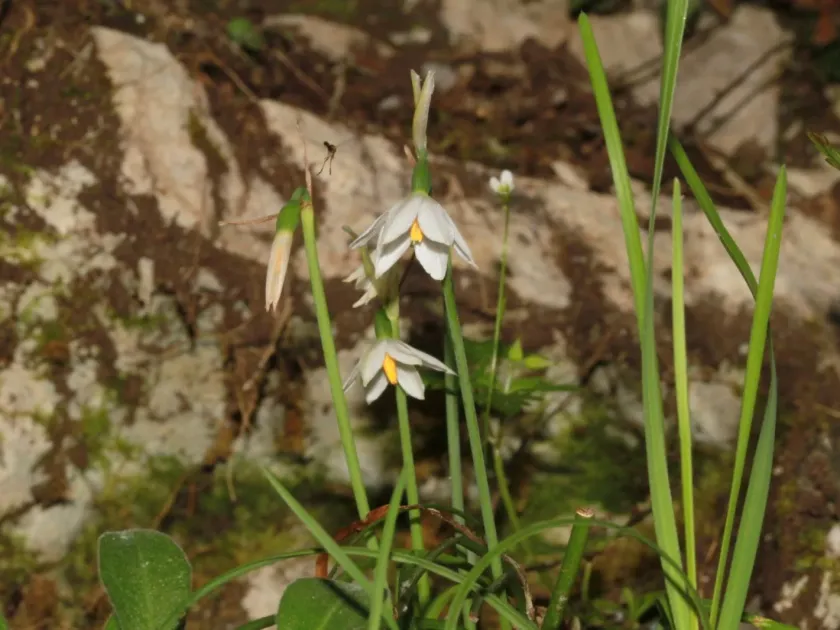
Description
Growing requirements
Acis fabrei is a rare bulbous plant belonging to the Amaryllidaceae family. This species is known for its delicate aesthetic and specific ecological requirements, making it a subject of interest for both botanical research and specialized horticulture.
The plant originates from regions with a Mediterranean-type climate, where it thrives in rocky or sandy substrates. Successful cultivation requires mimicking these environmental conditions, specifically regarding the soil composition and structure.
Soil drainage is the most critical factor for the survival of Acis fabrei. The planting medium should be porous, allowing for excellent water permeability to prevent the bulb from rotting during the dormant season.
Regarding climate, the plant prefers areas with mild, wet winters and warm, dry summers. It is important to ensure that the bulb remains dry during its dormancy period to avoid fungal infections and ensure healthy regrowth in the following cycle.
Optimal light exposure for this species is bright, filtered sunlight. While it appreciates morning sun, protection from the intense heat of the afternoon during summer is often beneficial to maintain the health of the foliage.
Main diseases and pests
The primary threats to Acis fabrei are associated with poor drainage and high humidity levels. Fungal pathogens, particularly those causing bulb rot and gray mold, are significant risks in inadequately ventilated environments.
Pests, such as bulb mites and various species of root-feeding larvae, pose a constant threat by damaging the underground structures. This damage often serves as an entry point for secondary bacterial and fungal infections.
Preventive measures include the use of sterilized soil mixes and ensuring that the planting site has an effective drainage layer. Avoiding overwatering during the period of dormancy is essential for maintaining the integrity of the bulb.
In cases where infestations or disease outbreaks are detected, removing affected bulbs is necessary to prevent the spread to healthy plants. Systematic fungicides can be used for treatment if environmental controls are insufficient.
Monitoring the growth cycle is crucial for early detection of issues. Any signs of premature yellowing or wilting should be addressed immediately to ensure the long-term viability of the plant population.