
Acis
Acis
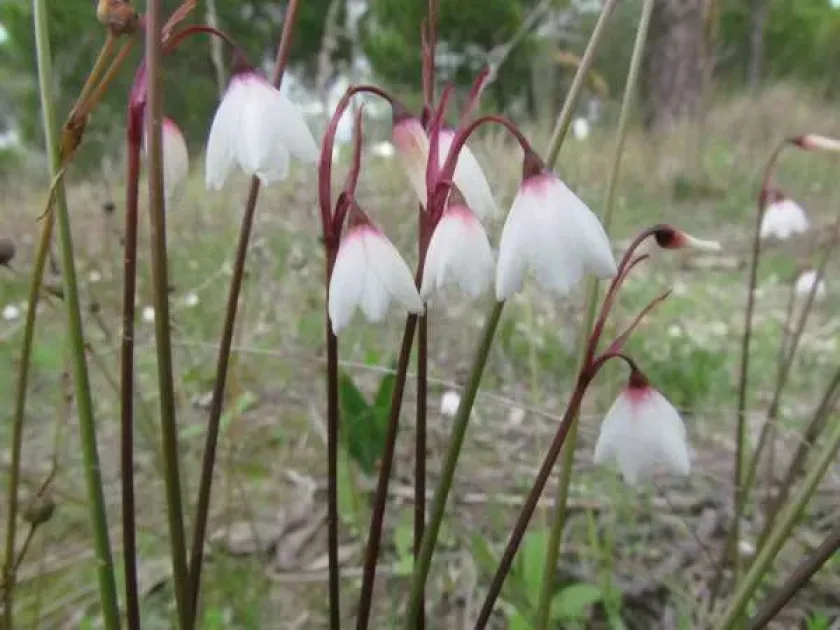
Description
Sowing dates
Planting of Acis bulbs should ideally take place in the autumn, specifically from September to October. This timing allows the bulbs to establish a healthy root system before the onset of winter dormancy.
The planting depth should be approximately 8 to 10 centimeters, adjusted according to the size of the bulb and the texture of the soil. Proper depth is critical for protecting the bulb from freezing temperatures.
While spring planting is possible, it is less favorable for the plant's development. If planted in spring, ensure the soil remains moist to encourage initial root formation.
Maintain a spacing of 10 to 12 centimeters between individual bulbs. Proper spacing ensures adequate airflow and prevents the accumulation of excess moisture, which is a major factor in bulb decay.
Before planting, it is highly recommended to treat the bulbs with a suitable fungicide. This practice acts as a prophylactic measure against soil-borne pathogens and helps ensure a successful start.
Growing requirements
Acis is a member of the Amaryllidaceae family and thrives as a perennial bulbous plant. It prefers locations with bright, dappled sunlight, often flourishing in the understory of deciduous trees.
The soil should be loose, well-draining, and rich in organic matter. A neutral to slightly acidic pH is ideal for the uptake of essential nutrients, supporting healthy vegetative growth.
Excellent drainage is a non-negotiable requirement for Acis. In heavy clay soils, it is essential to incorporate sand or fine grit to prevent water stagnation, which quickly leads to root rot.
During the active growth phase, moderate watering is necessary. However, gardeners must avoid over-saturation, as excessive soil moisture can cause the bulbs to enter dormancy prematurely.
The plant has moderate climate adaptability but originates from Mediterranean environments. In colder regions, applying a layer of mulch before winter is an effective way to protect the bulbs from severe frost.
Main diseases and pests
Fungal infections are the most significant threat to Acis. Species such as Botrytis and Fusarium can cause severe damage to the bulb tissue and roots, especially in poorly drained or overly humid conditions.
Viral infections may manifest as distorted leaf growth or variegated spotting. Unfortunately, there is no cure for such viruses, and infected plants must be carefully removed and destroyed.
Pests like the onion fly and bulb mites can cause considerable damage by boring into the bulbs. These injuries not only weaken the plant but also serve as entry points for secondary bacterial pathogens.
Slugs and snails may occasionally feed on the foliage, particularly in damp seasons. Control methods include mechanical removal or the use of approved baits in the immediate vicinity of the plantings.
The most effective strategy against pests and diseases is a combination of clean cultivation practices, proper soil moisture management, and regular inspection of the bulbs during the dormancy period.
Harvesting
Harvesting bulbs for division is only necessary every 5 to 7 years. This task should be performed when the foliage has naturally yellowed and withered, indicating the end of the growth cycle.
After lifting the bulbs from the ground, they should be cleaned of soil and air-dried in a shaded, well-ventilated location. Direct sunlight should be avoided to prevent thermal damage to the tissues.
Small daughter bulbs should be carefully detached from the parent bulb during the division process. These bulblets require several years of nurturing in dedicated nursery beds to reach maturity.
Store the harvested bulbs in dry, breathable containers. If the storage environment is too dry, packing the bulbs in slightly damp peat or sand can help maintain their viability.
Handle bulbs with care to avoid mechanical bruising. Any compromise to the protective outer scales can lead to rapid decay, as damaged areas are highly susceptible to opportunistic infections.