
Anthericum hybrids
Anthericum hybrids
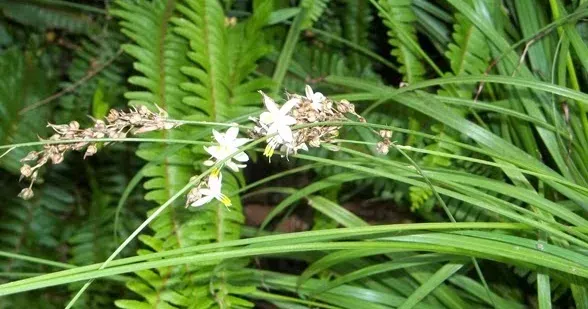
Description
Sowing dates
Sowing Anthericum hybrids seeds requires a preliminary cold stratification period of approximately four to six weeks. This process mimics natural winter conditions, which is essential to break seed dormancy and ensure uniform germination.
After stratification, seeds should be sown in a well-draining seed-starting mix and placed in a bright, temperature-controlled environment. Maintaining a steady soil temperature of around 20 degrees Celsius is crucial during the early stages of seedling development.
Transplanting into the permanent location should only occur once the threat of frost has completely passed. Young plants need a gradual hardening-off process to acclimatize them to direct sunlight and outdoor air currents.
Vegetative propagation via root division is often more reliable for maintaining specific hybrid traits. This should be performed in early spring or late autumn when the plant is in a state of relative dormancy to minimize transplant shock.
Proper spacing is vital when planting, allowing for adequate air circulation around the root collar and foliage. Planting densities should be adjusted based on the mature width of the variety, typically maintaining 30 to 40 centimeters of space.
Growing requirements
Belonging to the Asparagaceae family, Anthericum hybrids thrive in sunny to partially shaded locations. They perform best when provided with sufficient light, which encourages strong stems and abundant, healthy flower development.
The ideal soil profile for these plants is porous, nutrient-rich, and well-drained. Heavy or waterlogged soils are detrimental to their long-term health, often leading to rapid root rot and systemic plant failure.
Regarding climate, these hybrids prefer moderate moisture levels and stable temperature conditions. While they exhibit some tolerance to intermittent dry spells, consistent watering during the peak growing season is necessary for optimal performance.
Agronomic maintenance includes regular weeding around the base of the plant to prevent competition for nutrients. Applying a light layer of mulch can help conserve soil moisture and protect the root zone from temperature fluctuations.
Fertilization should be handled with care, focusing on balanced NPK formulations applied during the early vegetative phase. Over-fertilization, especially with excessive nitrogen, should be avoided as it can promote weak, lanky growth prone to lodging.
Main diseases and pests
Fungal pathogens represent the most significant threat to Anthericum hybrids, primarily triggered by excessive soil moisture and inadequate ventilation. Proper site selection and drainage management are the most effective preventative strategies.
Pests like spider mites and aphids can become problematic during hot, dry weather. These insects target the undersides of leaves, and their feeding activity often results in stunted growth and chlorosis of the foliage.
To combat fungal infections, fungicides should be applied at the first signs of disease. Removing and destroying heavily infected plant material is necessary to prevent the further spread of spores to healthy neighboring specimens.
Integrated Pest Management (IPM) practices, including the use of neem oil or insecticidal soaps, are recommended for controlling soft-bodied pests. These methods help maintain a healthy plant without causing long-term environmental degradation.
Regular monitoring of the plantation is essential for early detection of issues. By keeping the growing area clean and free of debris, the overall risk of both pest infestations and disease outbreaks is significantly reduced.