
Albuca sudanica
Albuca sudanica
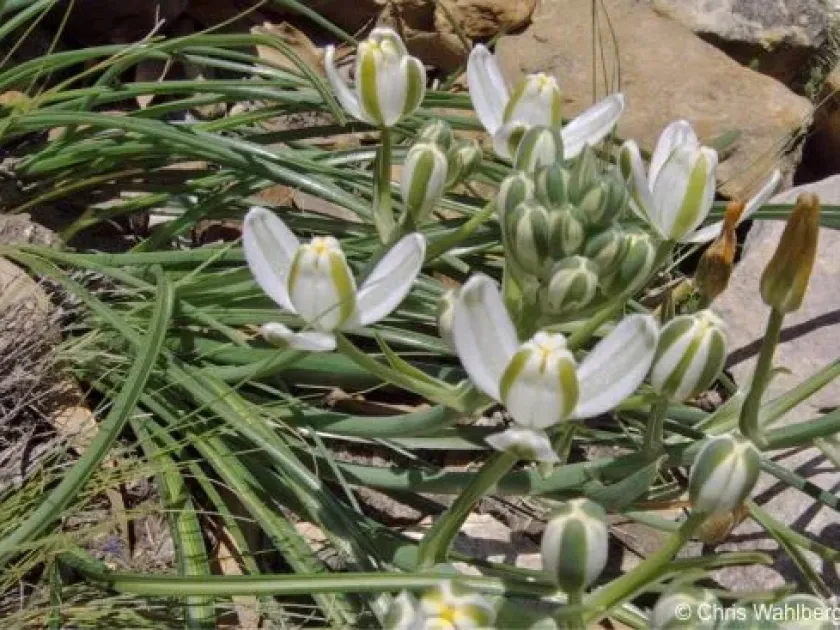
Description
Sowing dates
Sowing Albuca sudanica seeds is best performed in early spring when temperatures remain consistently above 18°C. A well-draining substrate, such as a mix of coarse sand, perlite, and a small amount of peat, is essential for successful germination.
Seeds should be sown at a shallow depth of approximately 0.5 cm. Maintaining a slightly moist soil surface is critical, but one must avoid waterlogging, which can lead to fungal growth on the seeds before they have a chance to sprout.
Once seedlings emerge, they require high levels of bright, indirect sunlight. If the light intensity is too low, the young plants will become spindly and lose their distinctive form, which is characteristic of the species.
Transplanting seedlings to individual pots should occur once they have developed at least two true leaves. This allows the plants to establish a stronger root system without competing for resources in the nursery trays.
Careful handling of the delicate bulbs is necessary during the potting process to avoid mechanical damage that could become an entry point for various rot-inducing pathogens.
Growing requirements
Albuca sudanica is a fascinating bulbous plant belonging to the Asparagaceae family. It is native to the arid environments of Sudan and neighboring African regions, where it has evolved to survive periods of intense heat and drought.
The plant thrives in full sun exposure. It is highly sensitive to light levels; insufficient light causes the leaves to stretch and lose their unique spiral or curly growth pattern, which is highly valued in ornamental horticulture.
Soil requirements are strict regarding drainage. A porous, sandy, or rocky soil medium is ideal. The pH should be neutral to slightly alkaline, mimicking the natural conditions of the plant's native rocky habitats.
The cultivation cycle includes a distinct growing season and a dry resting period. During the resting phase, it is vital to reduce irrigation significantly, allowing the bulb to dry out slightly, which prevents dormancy-related fungal infections.
Temperature management is key: the species is not frost-tolerant and prefers warm conditions. Temperatures ranging from 20°C to 28°C during the growing season promote vigorous growth and healthy leaf development.
Main diseases and pests
The most significant threat to Albuca sudanica is rot caused by excessive humidity. Poor drainage and overwatering can lead to bulb decay, which is often fatal and difficult to reverse once symptoms appear.
Spider mites are common pests that thrive in dry environments. They target the foliage, causing discoloration and general decline. Frequent misting or the use of systemic acaricides can manage these infestations.
Mealybugs are another pest that may colonize the base of the leaves or the neck of the bulb. Manual removal or targeted application of insecticidal soaps is generally effective for smaller collections.
Soil-borne pathogens like Fusarium can attack the roots if the substrate remains water-soaked. Sterilizing the soil before planting is a proactive measure against these infections.
Integrated pest management, combined with strict irrigation control, provides the best defense. Ensuring consistent air movement around the foliage is also crucial to minimize the risk of fungal outbreaks.