
Albuca fibrotunicata
Albuca fibrotunicata
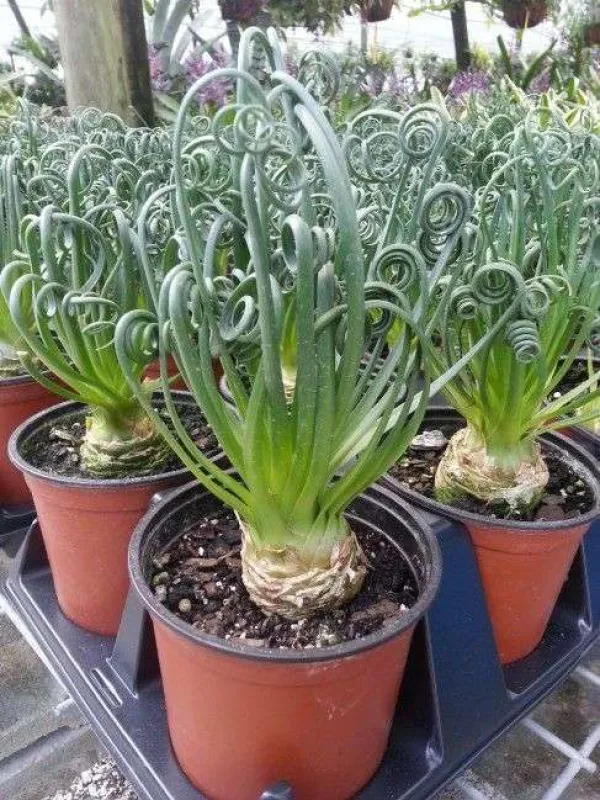
Description
Growing requirements
Albuca fibrotunicata is a bulbous perennial belonging to the Asparagaceae family, native to the arid environments of South Africa. This plant is well-adapted to surviving prolonged periods of drought in its natural habitat.
Botanically, it is defined by a dense bulb protected by characteristic fibrous tunics, which serve to shield the plant from intense heat. The foliage is succulent, typically narrow, and designed to optimize water storage efficiency.
The culture requires direct sunlight and excellent drainage to thrive. When growing in containers, a coarse, gritty substrate is essential to ensure that water does not accumulate around the bulb, which could lead to fatal root rot.
Temperature management is key; the plant prefers warm days during the growing season and requires a distinct dry rest period. Maintaining a stable environment is necessary to prevent premature dormancy or etiolation of the leaves.
In terms of usage, this species is highly sought after by succulent collectors and specialists in xerophytic gardening. Its unique structural appearance makes it a premium choice for curated greenhouse displays and arid-land landscaping.
Main diseases and pests
Excessive irrigation and poor drainage are the primary threats to the survival of Albuca fibrotunicata. Waterlogged soil quickly induces fungal decay of the fibrous tunics and the internal bulb scales.
Pests such as mealybugs and root aphids represent significant risks to the plant's health. Early detection and the application of appropriate contact or systemic insecticides are required to prevent widespread infestation.
Fungal pathogens, particularly those causing Fusarium wilt, can be introduced through contaminated soil or high ambient humidity. Maintaining a dry, well-ventilated growing environment is the best preventive measure.
Improper fertilization practices, especially using high-nitrogen blends, can weaken the succulent tissue, making it susceptible to bacterial soft rot. A low-nitrogen fertilizer specific to succulents is highly recommended.
During the resting phase, it is crucial to monitor the bulb's firmness. Any signs of softening indicate improper storage conditions, requiring immediate adjustment of humidity and temperature levels to save the specimen.