
Albuca clanwilliamae-gloria
Albuca clanwilliamae-gloria
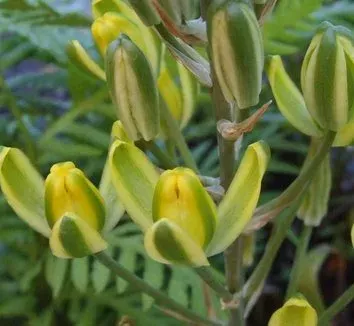
Description
Growing requirements
Albuca clanwilliamae-gloria is a herbaceous bulbous perennial belonging to the Asparagaceae family. This species is native to specific regions of South Africa, where it has evolved to survive in arid, seasonally dry environmental conditions.
Botanically, the plant is characterized by its storage bulb and succulent leaves, which are adapted to store nutrients for survival during drought. The inflorescence consists of pendulous, bell-shaped flowers with distinct yellow-green colorations that are typical for the genus.
The climate requirements for this plant necessitate high exposure to light and a stable, warm temperature range. It is essentially a Mediterranean-type plant that requires a clear distinction between the active growing season and the dormant phase.
For soil, it is critical to use a highly porous and well-draining medium. A mix containing horticultural grit, pumice, and minimal organic matter is recommended to prevent water logging, which causes bulb decay.
In terms of agricultural and horticultural use, this species is classified as a collector's ornamental plant. Its scarcity makes it highly valued in specialized botanical gardens and for hobbyist growers focused on succulent and bulbous exotics.
Main diseases and pests
The primary threats to Albuca clanwilliamae-gloria are root and bulb rot caused by excessive soil moisture and poor ventilation around the root zone.
Insect pests such as spider mites represent a constant challenge, particularly in indoor environments where the air is often too dry, encouraging their rapid reproduction.
Mealybugs are another common threat; they hide between the leaf bases, making manual removal difficult without potentially damaging the plant's delicate structures.
To mitigate disease risks, growers must prioritize a strict watering schedule, ensuring the substrate is completely dry before subsequent hydration during the growing season.
Biological monitoring is essential for early detection of infestations, while chemical intervention should be handled with caution to avoid phytotoxic damage to the leaves.