
Agave vera-cruz
Agave vera-cruz
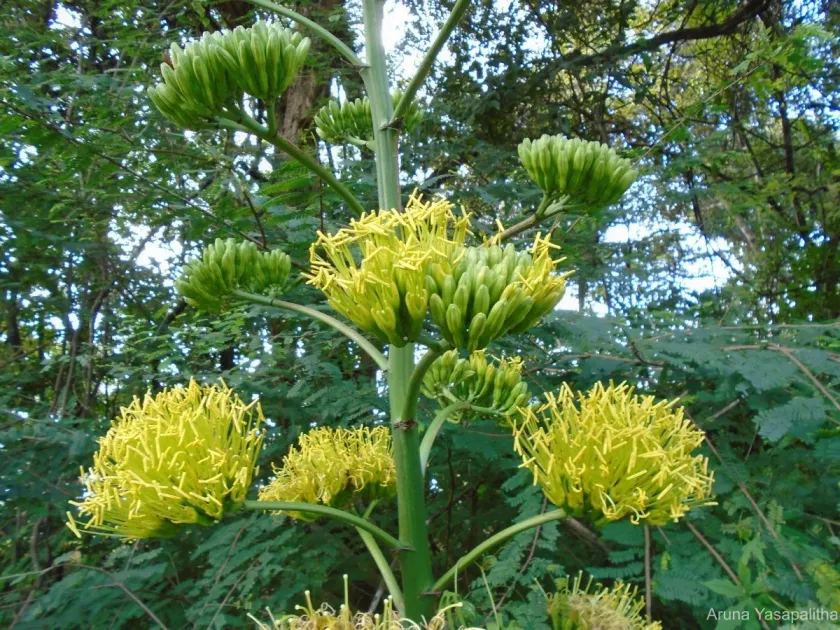
Description
Growing requirements
Agave vera-cruz belongs to the Asparagaceae family and is a robust succulent plant known for its structural utility. Originating from Mexico, it has become naturalized in numerous tropical and subtropical regions worldwide, with significant agricultural plantations found in parts of India.
The plant thrives in well-drained, sandy, or rocky soils, as it is highly sensitive to waterlogging. Poor drainage leads to root rot and other fungal pathogens, so selecting sites with excellent water percolation is a prerequisite for successful large-scale cultivation.
Agave vera-cruz is a heliophilous species that requires full sun exposure and warm climatic conditions. It does not tolerate prolonged frost, which can damage the fleshy leaves and stunt overall growth, making it unsuitable for colder agricultural zones.
Agricultural practices involve deep planting of suckers or offshoots, which are separated from the parent plant. Maintaining proper spacing between individuals is essential to ensure adequate airflow, which prevents the build-up of excess humidity around the base of the plant.
Watering requirements are relatively low, as the plant is a xerophyte designed to store moisture. Once established, it demonstrates high drought tolerance, requiring minimal irrigation even during dry seasons, which makes it an efficient crop for arid agricultural regions.
Yield
The primary economic value of Agave vera-cruz lies in its production of high-quality vegetable fiber, commonly referred to as sisal or similar industrial fibers. These fibers are strong and durable, serving as a raw material for ropes, mats, and textile manufacturing.
The crop cycle is relatively long, requiring careful plantation management to ensure a steady supply of leaves. Mature leaves are harvested by hand or using specialized machinery, typically taking several years for the plant to reach a size suitable for industrial processing.
Beyond fiber, the plant is explored for its medicinal and cosmetic potential, as the sap contains bioactive compounds. Various traditional and modern formulations use these extracts to support skin health or as ingredients in therapeutic products.
Processing involves extracting the fiber from the leaf tissues through decortication. The efficiency of this process is highly dependent on the quality and age of the leaves, emphasizing the need for proper timing in the harvest schedule to maximize yield per hectare.
By-products from fiber processing, such as the remaining pulp, can be utilized as organic compost. Implementing a sustainable waste management strategy allows farmers to return nutrients to the soil, improving the long-term fertility of the plantation site.
Main diseases and pests
Fungal pathogens, particularly those causing root and crown rot, represent the most significant threat to Agave vera-cruz. These diseases are usually exacerbated by improper soil management and high levels of moisture, requiring stringent preventive measures.
Insects like weevils are major pests that bore into the succulent leaves, causing structural damage and opening paths for secondary infections. Early detection through regular field scouting is crucial to preventing localized infestations from spreading across the entire plantation.
Root-knot nematodes can severely limit the growth of the plant, especially in soil that has been used for successive plantings without proper crop rotation. These microscopic threats sap the plant's vitality and reduce the yield of fiber significantly over time.
Sanitation practices are vital; this includes cleaning harvesting tools regularly to prevent the spread of diseases and removing infected plant tissue promptly. Such hygiene minimizes the necessity for extensive chemical treatments in the field.
Integrated pest management (IPM) strategies, which combine biological control agents and careful environmental monitoring, are recommended for sustainable production. By fostering a balanced ecosystem, growers can protect the crop while maintaining the quality of the harvested fiber.