
Havard's agave
Agave havardiana
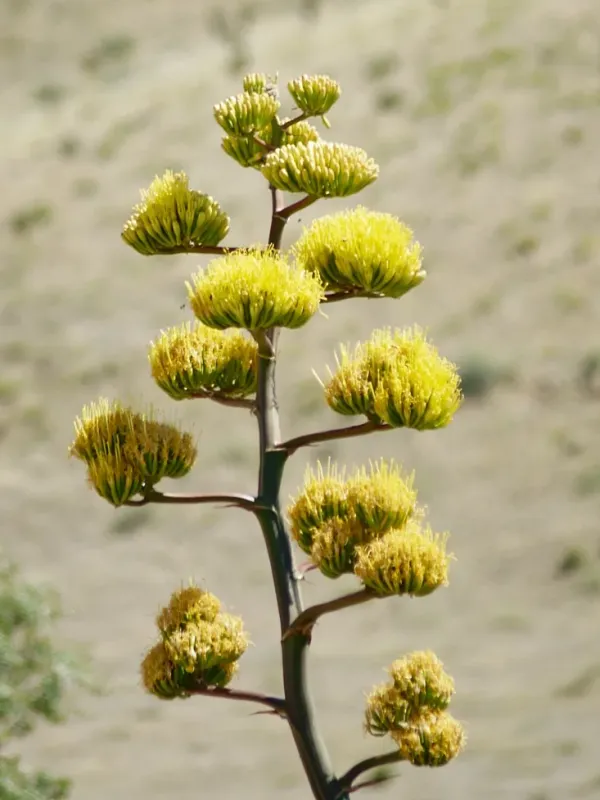
Description
Growing requirements
Havard's agave (Agave havardiana) is a prominent member of the Asparagaceae family, native to the rugged Chihuahuan Desert regions of West Texas and northern Mexico. It is characterized by its large, symmetrical, blue-green rosettes and significant cold hardiness.
This species thrives in well-draining, rocky, or gravelly soils. In a horticultural setting, it is essential to mimic its native habitat by ensuring the planting medium is lean, mineral-based, and does not retain excess moisture, which is vital for preventing root death.
Climate requirements for this plant include full sun exposure for most of the day. While it is highly drought-tolerant, it requires a period of dry conditions, particularly during the winter months, to survive freezing temperatures and avoid tissue damage from frost.
The cultural practice focuses on minimal intervention. It does not require frequent fertilization, as excessive nutrients can lead to rapid, weak growth that is more susceptible to disease. A light application of low-nitrogen fertilizer in the spring is sufficient if the soil is notably poor.
Propagation is best achieved through offsets or seeds. Offsets are the most reliable method for maintaining the desired characteristics of the parent plant. When transplanting, care should be taken to preserve as many roots as possible to ensure quick establishment in the new location.
Main diseases and pests
The primary threat to Agave havardiana is crown rot caused by fungi such as Phytophthora. This typically occurs in poorly drained soils or during prolonged periods of excessive winter precipitation, necessitating the use of raised beds or specialized gritty substrate mixes.
Insect pests include the agave snout weevil, which can cause severe damage by boring into the base of the plant. Scale insects and mealybugs can also infest the leaves, requiring prompt application of insecticidal soap or systemic treatments to prevent widespread infestation.
Insects can occasionally be controlled through manual removal if the plant is small, but larger specimens may require a preventative integrated pest management approach. Frequent inspection of the central rosette is recommended to identify signs of early pest presence.
Foliar diseases, such as leaf spot, may appear if the plant is subjected to poor air circulation. Providing adequate spacing between individual plants is a simple yet effective way to reduce the humidity levels around the foliage and mitigate the risk of fungal proliferation.
Maintaining a clean environment around the plant base is crucial. Removing dead leaves and debris prevents moisture accumulation, which acts as a breeding ground for pathogens. Proper sanitation is an essential part of the agricultural upkeep of this desert-adapted species.