
Agave gypsophila
Agave gypsophila
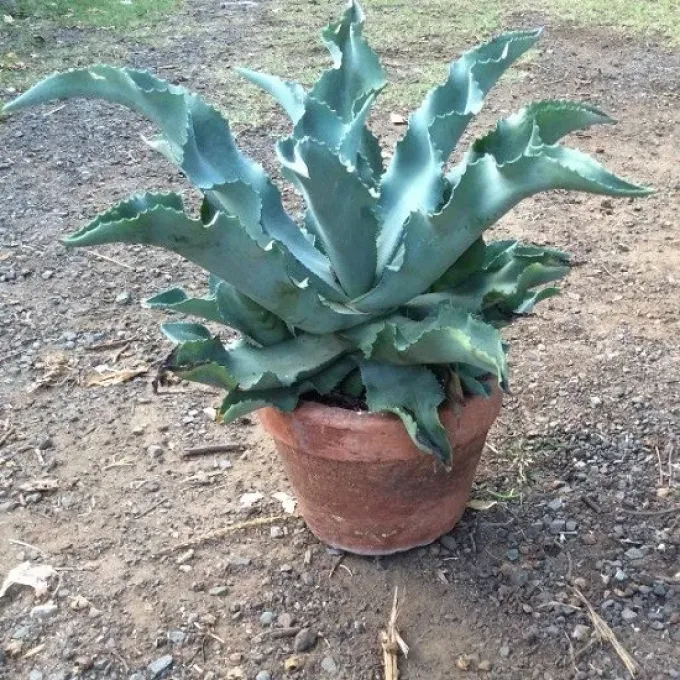
Description
Growing requirements
Agave gypsophila is a distinctive perennial succulent belonging to the Asparagaceae family. Native to Mexico, this species has evolved to thrive in arid environments, specifically on gypsum-rich rocky outcrops, which explains its unique botanical name.
The plant is recognized for its sculptural form, featuring long, slender, and significantly wavy leaves that form a wide rosette. Unlike more common agave species, its foliage is softer and creates a distinct architectural interest, making it a sought-after subject for ornamental horticulture.
Cultivation success depends heavily on light exposure; the plant requires full sun to maintain its compact growth habit and characteristic leaf color. Inadequate light results in etiolation, where the plant becomes weak and loses its structural integrity.
Soil requirements for Agave gypsophila necessitate excellent drainage. A gritty, mineral-based medium is ideal to mimic its natural limestone habitat. The soil should be allowed to dry out completely between waterings to prevent the development of root pathogens.
Regarding climate, this agave is not cold-hardy. It thrives in warm, dry climates and must be protected from freezing temperatures. Greenhouse or indoor cultivation in temperate regions requires high ventilation to reduce humidity levels around the foliage.
Main diseases and pests
The most common biological threats to Agave gypsophila involve fungal diseases such as crown rot and leaf spot, which are almost exclusively triggered by overwatering or poor air circulation. Management focuses on preventive spacing and strict irrigation control.
Insect pests, including mealybugs and scale insects, frequently hide in the deep leaf axils. Integrated pest management using systemic horticultural oils or soaps is necessary to control infestations without damaging the delicate, waxy coating of the leaves.