
Guadalajara agave
Agave guadalajarana
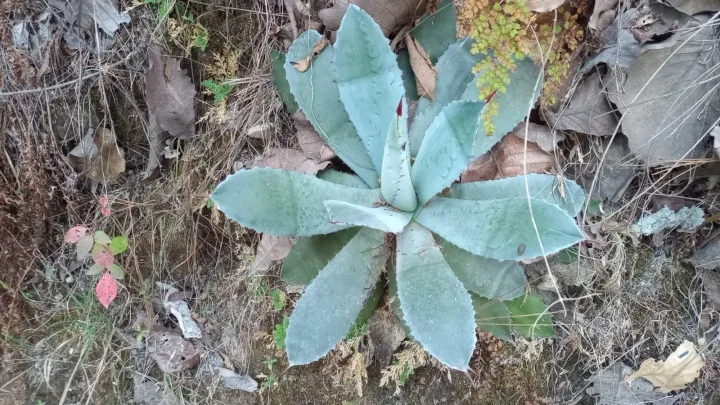
Description
Growing requirements
Guadalajara agave (Agave guadalajarana) is a perennial succulent belonging to the Asparagaceae family. Native to the mountainous regions of Jalisco, Mexico, this species has evolved to thrive in arid, high-altitude environments characterized by rocky, nutrient-poor soils.
The plant requires extremely well-draining soil to prevent root rot. An ideal growing medium consists of a coarse mix of grit, sand, and minimal organic matter, mimicking the natural mineral-rich conditions of its habitat in central Mexico.
High light intensity is crucial for the development of its distinctive blue-grey, rosette-forming leaves. In cultivation, it requires full sun exposure to maintain its compact structural integrity and to prevent the etiolation commonly seen in low-light environments.
Temperature management is vital: while the plant tolerates brief cold snaps, it is not frost-hardy and should be kept dry during winter months to ensure survival. It performs best in temperatures ranging from 18 to 28 degrees Celsius during the active growth season.
Watering practices must be strictly controlled, applying the "soak and dry" method. It is essential to avoid overhead watering, which can lead to water stagnation at the base of the leaves, potentially triggering secondary infections.
Main diseases and pests
Root and crown rots are the most prevalent diseases affecting Guadalajara agave, typically caused by waterlogged soil conditions or poor airflow in greenhouse environments. Prevention relies on superior drainage.
The agave snout weevil is a primary pest threat, as its larvae bore into the core of the plant, often leading to rapid decline. Regular monitoring and systemic insecticide applications are recommended in regions where this pest is established.
Mealybugs and spider mites may colonize the leaf crevices, especially under hot and arid conditions. These pests are managed through targeted applications of horticultural oils or systemic insecticidal soaps.
Fungal leaf spot, often exacerbated by humidity, requires good ventilation to manage. Ensuring that the foliage remains dry and that there is adequate space between individual plants can significantly reduce the incidence of these pathogens.
Sanitation is a critical component of crop protection. Removing dead or necrotic leaf tissue helps eliminate harborages for pests and reduces the risk of fungal proliferation within the plantation.