
Agave ellemeetiana
Agave ellemeetiana
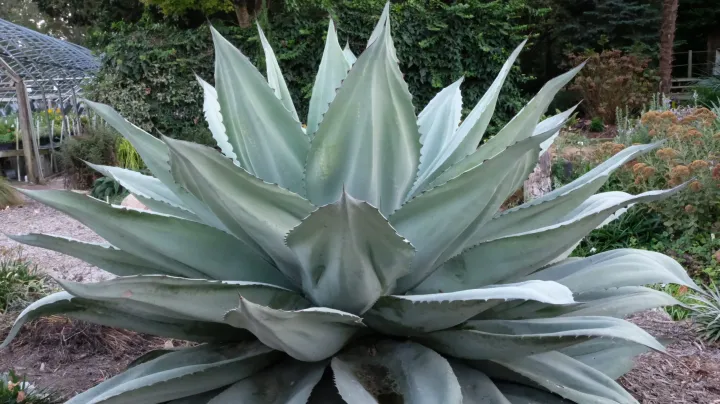
Description
Growing requirements
Agave ellemeetiana is a remarkable member of the Asparagaceae family, distinguished by its spineless, fleshy leaves and rosette growth pattern. Native to the arid regions of Mexico, it has evolved to thrive in environments with limited water and high sun exposure.
Successful cultivation of this species depends on providing well-draining, gritty soil that prevents moisture retention. A mixture consisting of coarse sand, pumice, and minimal organic matter is ideal for root health.
The plant requires bright light to maintain its compact form and vibrant coloration. While it can withstand intense sun, providing filtered light during the peak heat of the day helps prevent scorching of the leaves.
Watering requirements are minimal; it is crucial to allow the soil to dry out completely between sessions. During the winter dormancy period, watering should be significantly reduced or suspended to prevent cold-induced rot.
Temperature management is a key factor, as Agave ellemeetiana is not frost-tolerant and prefers stable conditions above 10 degrees Celsius. In industrial or hobbyist settings, proper spacing is essential to ensure adequate airflow around the base of the rosette.
Main diseases and pests
Root rot, often caused by overwatering or poor soil drainage, is the primary threat to the longevity of the plant. Maintaining a strict irrigation schedule is the most effective preventative measure against this fungal disease.
Mealybugs are common pests that tend to cluster in the tight crevices between leaves, making them difficult to detect. Regular inspection and the application of horticultural oils or systemic insecticides help mitigate these infestations.
Scale insects may also attach to the leaf surfaces, weakening the plant by extracting essential sap. Physical removal of scales followed by targeted chemical treatments ensures the plant remains healthy and vigorous.
Fungal infections can also occur due to mechanical damage or high humidity levels during the cooler months. Ensuring that any wounds are allowed to callous over in dry air is vital for preventing the entry of pathogens.
Pest management programs should prioritize preventative cultural practices, such as maintaining cleanliness in the growing area. Integrated pest management strategies are recommended for larger cultivation sites to minimize chemical usage.