
Aganisia pulchella
Aganisia pulchella
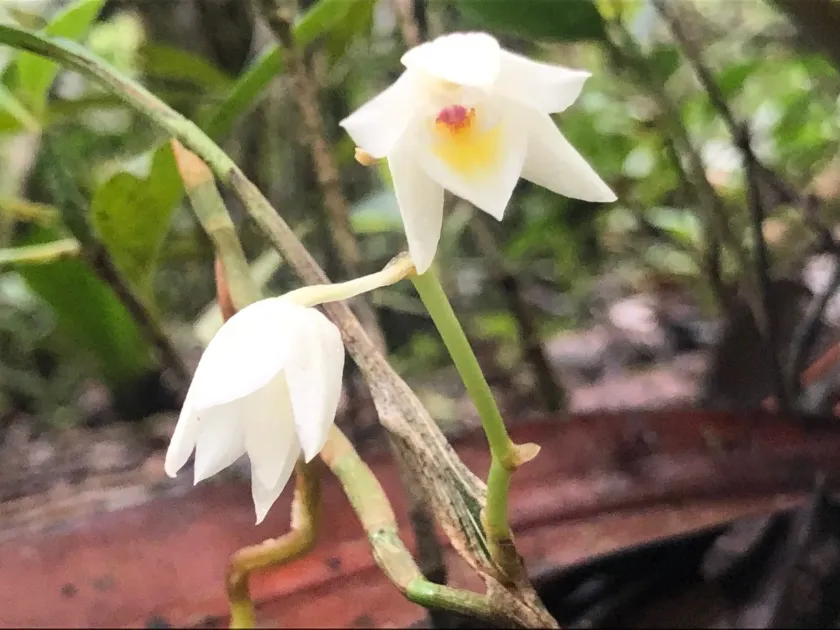
Description
Growing requirements
Aganisia pulchella is an exquisite epiphytic orchid species belonging to the Orchidaceae family. Known for its elegant floral spikes and pleasant fragrance, this plant is a prized specimen among orchid enthusiasts and collectors of tropical flora.
The native habitat of Aganisia pulchella includes the tropical rainforests of South America, specifically Brazil and the Amazon basin. In nature, it thrives as an epiphyte, utilizing tree bark as a host while absorbing nutrients and moisture directly from the humid tropical air.
Botanically, this species is characterized by its sympodial growth habit. It develops compact pseudobulbs that support long, leather-like leaves. Its root system is highly sensitive to substrate quality, requiring a coarse, airy medium that facilitates rapid drainage.
For successful cultivation, the environment must mimic tropical conditions. The ideal temperature range is between 20°C and 25°C. Stability is key, as drastic fluctuations can stress the plant and inhibit its flowering cycle.
Watering requirements are demanding; the substrate should remain consistently moist but never waterlogged. Providing high humidity—ideally between 60% and 80%—is essential for maintaining the health of the foliage and promoting active root development.
Main diseases and pests
The most significant threats to Aganisia pulchella are diseases related to excess moisture and stagnant air. Root rot is a common occurrence if the drainage is insufficient or if the plant remains in a saturated, anaerobic substrate for extended periods.
Pests such as spider mites and scale insects represent a recurring danger. These pests often congregate on the undersides of leaves or near the base of pseudobulbs, draining the plant's resources and leading to reduced vigor.
Fungal leaf spots can develop if water is left sitting on the leaves for too long after misting. Ensuring that the foliage dries out quickly through proper ventilation is a crucial preventive measure for every orchid grower.
Mealybugs are another common pest that can infest Aganisia pulchella, particularly in greenhouses or poorly ventilated indoor spaces. Early detection through regular monitoring is the most effective way to manage potential outbreaks.
To maintain plant vitality, it is recommended to implement a preventative maintenance program. This includes using sterilized tools for trimming, maintaining excellent air circulation, and isolating new plants to prevent the introduction of pathogens.