
Aganisia cyanea
Aganisia cyanea
Description
Growing requirements
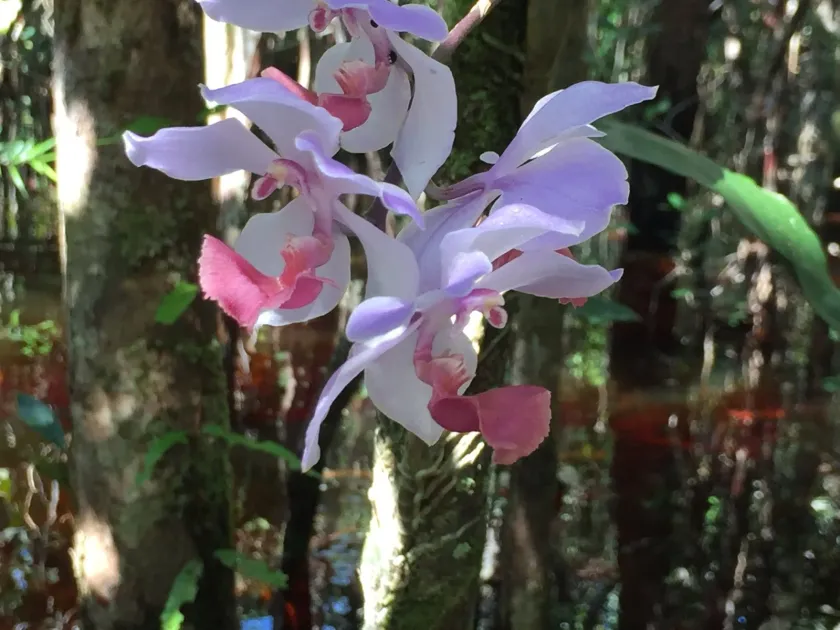
Aganisia cyanea is a striking epiphytic orchid species belonging to the Orchidaceae family. Native to the humid rainforests of South America, specifically parts of Brazil, Venezuela, and Colombia, this plant naturally grows on tree trunks and mossy surfaces in low-lying tropical zones.
Botanically, it is defined by its sympodial growth habit, consisting of closely clustered pseudobulbs and thin, leathery leaves. The most distinct characteristic of this species is its rare, vibrant blue-toned flowers, which distinguish it from the vast majority of orchid varieties found in standard agriculture.
The cultural requirements demand high ambient humidity, ideally kept between 70% and 80%. It thrives in warm tropical temperatures, ranging from 22°C to 28°C during the day, with a slight nocturnal drop, which mimics its natural environment and supports healthy physiological processes.
Substrate management is crucial; since it is an epiphyte, the root system requires excellent airflow. A coarse mixture of bark, charcoal, and sphagnum moss is recommended to prevent waterlogging while maintaining the necessary hydration levels for the plant's delicate roots.
Lighting should be bright but strictly indirect, as direct sunlight can easily scorch the foliage and cause severe tissue damage. Consistent, frequent watering with high-quality, mineral-low water is essential to maintain the plant's health throughout the year.
Main diseases and pests
The primary threats to Aganisia cyanea involve fungal infections, particularly root and stem rot caused by stagnant water or poor ventilation. These pathogens thrive in environments where airflow is insufficient, making proper spacing and ventilation vital for the health of the collection.
Common agricultural pests affecting this species include spider mites, thrips, and mealybugs. These organisms can weaken the plant by feeding on its sap; therefore, consistent monitoring and integrated pest management strategies are necessary to prevent significant yield or aesthetic losses.