
Aeranthes grandiflora
Aeranthes grandiflora
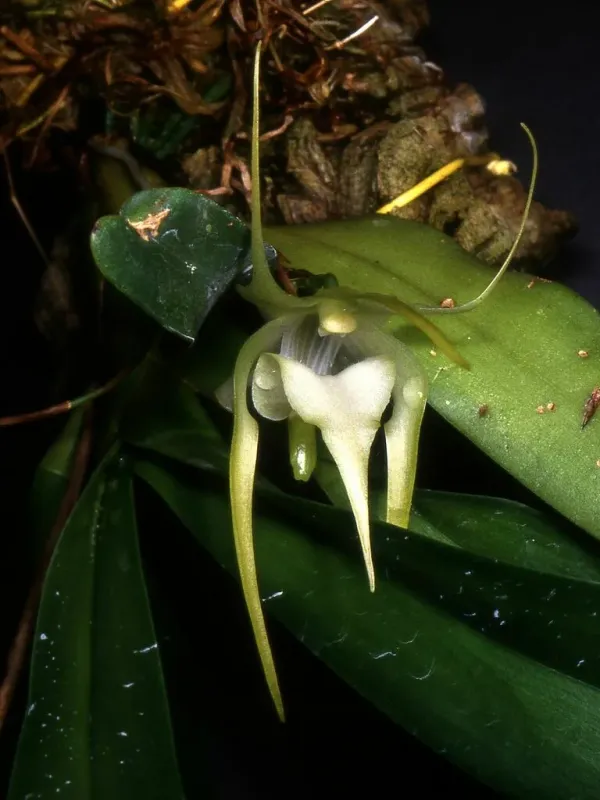
Description
Growing requirements
Aeranthes grandiflora is a fascinating member of the Orchidaceae family, native to the humid forests of Madagascar. As an epiphytic species, it grows naturally on tree trunks, where its aerial roots capture moisture and nutrients from the air and decaying debris.
To successfully cultivate this orchid, growers must maintain a tropical climate within a greenhouse or specialized indoor environment. The ideal temperature range is between 18°C and 26°C, ensuring that the plant is kept away from cold drafts that could stress the metabolism of the orchid.
Humidity is perhaps the most critical factor for this species. Sustaining a high relative humidity level, ideally between 70% and 80%, is essential for the healthy development of its leaves and roots. Automated misting systems are highly recommended for large-scale production.
Aeranthes grandiflora requires bright but filtered light. Exposure to direct intense sunlight can easily scorch its foliage. In greenhouse settings, growers should utilize shade cloths to diffuse the light, mimicking the filtered sun conditions found under a forest canopy.
The planting substrate should be extremely airy and free-draining. A mix of pine bark, perlite, and long-fiber sphagnum moss provides the necessary aeration for the roots to breathe while maintaining enough moisture to sustain the plant between regular watering sessions.
Main diseases and pests
This orchid is susceptible to several fungal and bacterial pathogens, primarily root rot and crown rot, which often occur when water lingers too long in the foliage or the potting medium remains waterlogged for extended periods.
Insects such as scale and spider mites are common pests that can infest the plant, particularly in environments with poor air circulation or low humidity. These pests thrive in dry conditions and can quickly drain the plant's resources.
Integrated pest management, including regular inspection and the use of targeted horticultural soaps or systemic pesticides, is essential to maintain plant health. Early detection is key to managing any potential outbreaks effectively.
Improving airflow and maintaining proper ventilation in the growing area is a fundamental practice to prevent the spread of diseases. A consistent breeze helps the foliage dry off after misting, reducing the risk of fungal infections.
Proper hygiene, such as sterilizing pruning shears and removing dead organic matter from the pots, significantly reduces the likelihood of introducing pathogens into the orchid collection, ensuring longevity and vigorous growth.