
Adenophora triphylla
Adenophora triphylla (Thunb.) A. DC.
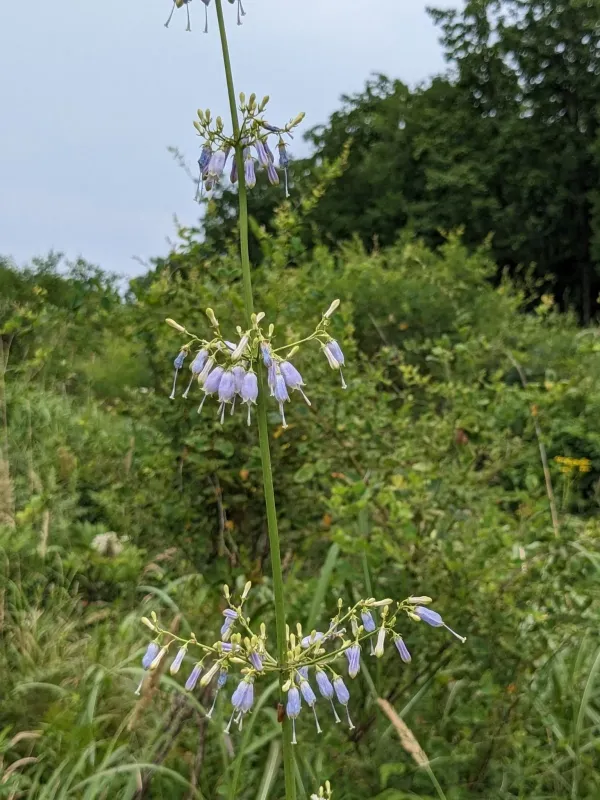
Description
Sowing dates
Sowing of Adenophora triphylla seeds is typically performed in the spring, from April to May, once the soil has warmed sufficiently. Autumn sowing is also a viable option, allowing the seeds to undergo natural stratification for improved germination rates.
The seeds of this crop are small, requiring shallow sowing at a depth of 0.5 to 1 cm. Using a lightweight, well-draining substrate ensures better seed-to-soil contact and supports the initial development of the fragile root system.
Using a transplanting method from greenhouse-started seedlings is often more reliable than direct field sowing. Seeds are sown in seed trays 6–8 weeks before the last expected frost to establish healthy, resilient young plants.
Proper spacing is crucial; plants should be set 30–40 cm apart to ensure adequate airflow. High planting density significantly increases the risk of fungal diseases, particularly in humid or stagnant air environments.
Seedlings require consistent moisture during the first few weeks after emergence. Protecting the young plants from intense midday sun and aggressive weed competition is essential for their establishment phase.
Growing requirements
Adenophora triphylla is a perennial herb belonging to the Campanulaceae family. It is native to East Asia, where it has been traditionally cultivated for both medicinal purposes and its edible root properties.
The plant thrives in sites with full sun to partial shade, preferring fertile, friable, and well-drained soils. Maintaining the right soil structure is vital, as heavy, compacted clay soils can cause root deformity.
Water requirements are moderate, but the plant is sensitive to waterlogging. Good drainage is a non-negotiable factor, as prolonged saturation of the root zone leads to rapid decay of the taproot.
Agrotechnical management includes regular hoeing to prevent soil crusting and keep weed pressure low. Proper aeration of the soil contributes to better root development and overall plant health throughout the season.
Fertilization with phosphorus and potassium-rich inputs during the second half of the growing season improves the quality of the roots. Avoiding excessive nitrogen is recommended to prevent weak, overly succulent growth.
Yield
The primary economic output of this crop is its root, prized in traditional medicine for its content of bioactive saponins. Yield potential is optimized when plants reach their peak maturity in the second or third year.
Under professional cultivation practices, farmers can expect a yield of 5–8 tons of dried root material per hectare. Preventing early flowering in young plants can further redirect energy towards root biomass accumulation.
Crop quality is judged by the density, size, and health of the harvested roots. Uniformity in size is highly valued for commercial processing and extraction purposes.
Yield stability depends heavily on the maintenance of soil moisture and nutrient availability. Even minor stress factors during the peak growth season can lead to a decrease in root mass and quality.
Mechanized harvesting tools, when used correctly, can significantly increase efficiency and reduce the labor costs associated with manual extraction of the root systems.
Main diseases and pests
Root rot, primarily caused by fungal pathogens, is the most critical threat to the plantation. It is usually a consequence of poor drainage or over-irrigation in heavy soil types.
Powdery mildew can attack the foliage when ventilation is poor and humidity levels remain high for extended periods. Preventive measures include wider plant spacing and prompt removal of infected leaves.
Slugs and snails are common pests that cause significant damage to young shoots and leaves. Monitoring the field and installing physical barriers can mitigate these losses effectively.
Aphids may colonize flower spikes, leading to weakened plants. Biological controls, such as introducing predatory insects, are preferred over synthetic chemicals to maintain the quality of the medicinal product.
Root-knot nematodes can severely impact the productivity of the site. Implementing a long-term crop rotation strategy and ensuring the use of clean planting stock are the best defenses against these parasites.
Harvesting
Harvesting is performed in late autumn after the foliage has naturally yellowed and died back. This timing ensures that the roots have reached their maximum potential in bioactive compound concentration.
The roots are carefully extracted using specialized forks to prevent mechanical damage. Intact roots are significantly more resistant to rot and have a longer shelf life during storage.
Post-harvest processing involves washing the roots in running water to remove all soil particles. Any small, lateral rootlets should be removed to prepare the primary roots for uniform drying.
Drying must be conducted in a well-ventilated area or specialized dryer at temperatures not exceeding 50 degrees Celsius. Rapid and thorough drying is essential to prevent mold growth.
Final storage should be in cool, dark, and dry conditions. Proper packaging protects the product from humidity and contamination, preserving its value for commercial use.