
Japanese lady bell
Adenophora triphylla (Thunb.) A.DC. var. japonica (Regel) H.Hara
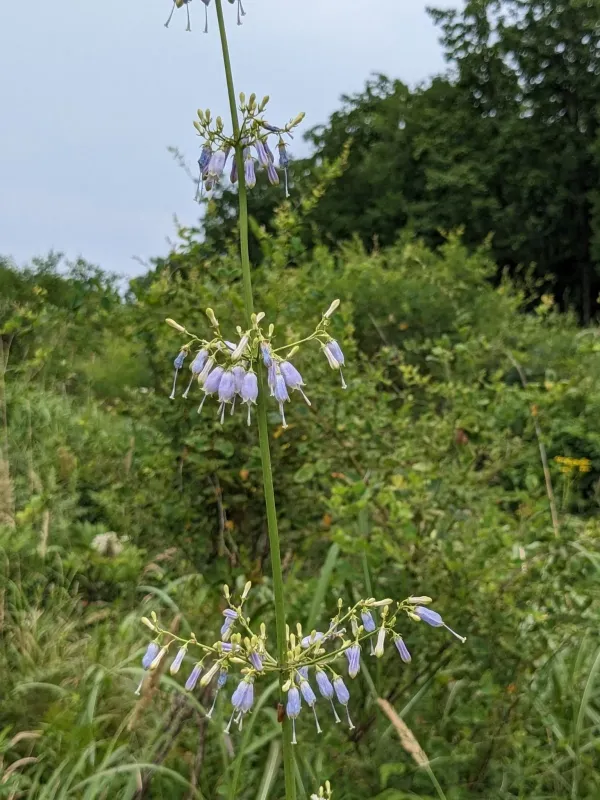
Description
Sowing dates
The cultivation of Adenophora triphylla var. japonica typically begins with seed sowing, which can be done in autumn for natural stratification or in spring after cold stratification. Given the seeds' minute size, surface sowing with light soil cover is crucial for successful germination.
For professional farming, starting seeds in greenhouses or climate-controlled chambers in early spring allows for vigorous seedlings. Proper humidity and temperature control between 15–20 degrees Celsius are essential for uniform sprout development.
Transplanting into the field occurs once the danger of frost has passed. Plants are usually spaced 20–30 cm apart in rows to provide adequate room for the developing taproot, which is the primary marketable part of the crop.
Spacing between rows should be maintained at 50–60 cm to allow for mechanized weeding and maintenance operations. This structure prevents overcrowding and ensures that plants receive sufficient light and nutrients.
In the first year, plants invest energy in establishing root systems and leaf rosettes. Growers must ensure that weeding and early care are strictly followed to avoid weed competition, which can severely stunt the plant's growth.
Growing requirements
Japanese lady bell is a member of the Campanulaceae family, native to East Asia. It thrives in temperate climates and prefers well-drained, sandy-loam soils rich in organic matter to support the expansion of its fleshy, elongated roots.
The crop requires a sunny to partially shaded environment. While it is hardy, soil drainage is the most critical factor; waterlogged soil leads to root rot and significant yield loss. Adding compost during soil preparation is highly recommended.
Irrigation management is vital, especially during the early growth stages and during dry spells. However, the soil must be allowed to dry out slightly between waterings to prevent the development of fungal pathogens in the rhizosphere.
Fertilization should be balanced, focusing on promoting root quality rather than excessive leaf development. Organic amendments like well-rotted manure are preferred to maintain long-term soil health and provide micronutrients.
Maintaining a pH between 6.0 and 7.0 is optimal for nutrient uptake. In soils with high acidity, liming may be necessary to bring the pH into the preferred range, ensuring better vigor and overall plant health.
Yield
Yield production focuses on the accumulation of mass in the taproot, which is harvested after two or three years of growth. A mature root is highly valued in traditional medicine and cuisine for its unique texture and properties.
Commercial yields are optimized through consistent field maintenance and by selecting varieties that exhibit strong root growth. Proper management allows farmers to produce uniform products that meet market standards for size and quality.
After harvesting, the roots are cleaned and processed. The yield per hectare is significantly influenced by the initial plant density and the quality of the soil prep, making site selection a priority for profitable production.
Once harvested, the roots must be handled carefully to prevent bruises or mechanical damage. Grading by size and root thickness is standard practice to separate the product for various market segments, including culinary and medical applications.
Economic returns are realized through the sale of high-quality dried or fresh roots. As interest in healthy, functional foods grows, the demand for effectively farmed lady bell roots continues to provide stable opportunities for growers.
Main diseases and pests
Fungal pathogens are the most common threat to this crop, often triggered by poor drainage or excessive humidity. Preventative measures include the use of resistant varieties and strict adherence to irrigation schedules.
Pests like aphids and spider mites can attack the foliage. Early detection through regular crop scouting is essential, allowing for timely intervention with biological control methods or soft-chemistry insecticides to protect the plant.
Wireworms and other soil-borne larvae can cause significant damage to the developing roots. Implementing a crop rotation strategy and using mechanical traps before planting are effective ways to mitigate soil-based pest populations.
Root rots caused by bacteria or fungi are often the result of improper field hygiene. Removing debris and infected plants immediately is critical to preventing the spread of diseases across the plantation.
- Crop rotation protocols
- Drainage management
- Biological pest control
- Soil health monitoring
Harvesting
Harvesting is typically performed in late autumn as the aerial parts of the plant enter dormancy. During this phase, the root acts as a nutrient storehouse, concentrating the beneficial compounds for which the plant is valued.
Mechanical harvesting is preferred for large-scale operations. Modern farm equipment is adjusted to lift the roots from the soil without damaging the skin or the main taproot, ensuring that the harvest is clean and intact.
Post-harvest, the roots undergo washing and trimming of the smaller, fibrous lateral roots. This process is essential to prepare the main root for drying or market-ready packaging, enhancing its shelf life and appearance.
Controlled drying is crucial to ensure the quality of the bioactive compounds within the roots. Using industrial drying systems allows for stable temperatures, preventing mold growth and ensuring a premium final product.
Final storage should occur in a cool, dry environment with good ventilation. Protecting the crop from moisture and heat during shipping and storage is vital for maintaining product integrity until it reaches the end user.