
Adenophora pereskiifolia
Adenophora pereskiifolia (Fisch.) Fisch. ex G. Don
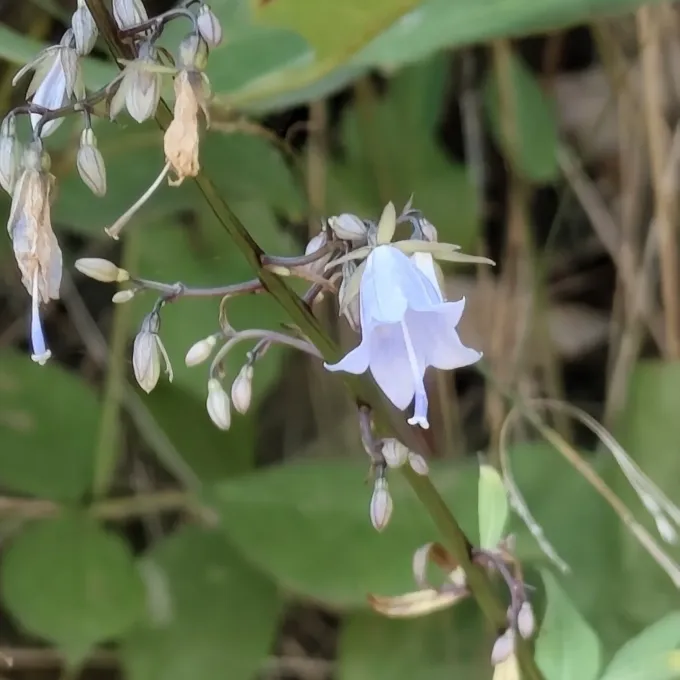
Description
Growing requirements
Adenophora pereskiifolia, belonging to the Campanulaceae family, is a herbaceous perennial native to East Asia, primarily found in meadows and woodland edges across Russia, China, and Japan.
This species is characterized by its long, taproot system and erect stems reaching up to a meter in height, topped with distinct blue or violet bell-shaped flowers arranged in inflorescences.
For optimal growth, it requires well-drained, nutrient-rich soil with a neutral pH level. It thrives in locations that receive full sunlight but can tolerate partial shade in warmer climates.
Adequate soil moisture is critical throughout the growing season, particularly during the flowering phase, to ensure the production of healthy, vibrant blooms.
Propagation is primarily done through seeds, which should be sown in prepared nursery beds with a consistent temperature to encourage steady germination and seedling development.
Main diseases and pests
The primary threats to Adenophora pereskiifolia include fungal diseases such as powdery mildew and root rot, which are often exacerbated by poor drainage and excessive humidity.
Pests such as aphids are common occurrences, feeding on tender foliage and sap, which can stunt plant growth if not addressed with appropriate pest management techniques.
Gastropods like slugs and snails may target young leaves, posing a significant threat to seedlings and requiring protective measures such as physical barriers or organic baits.
Implementing an integrated pest management approach, including periodic sanitation and ventilation of the growing area, is essential for maintaining a healthy crop.
Monitoring for signs of distress, such as leaf wilting or discoloration, is recommended to allow for early intervention with localized treatments to minimize damage.