
Acianthera wilsonii
Acianthera wilsonii
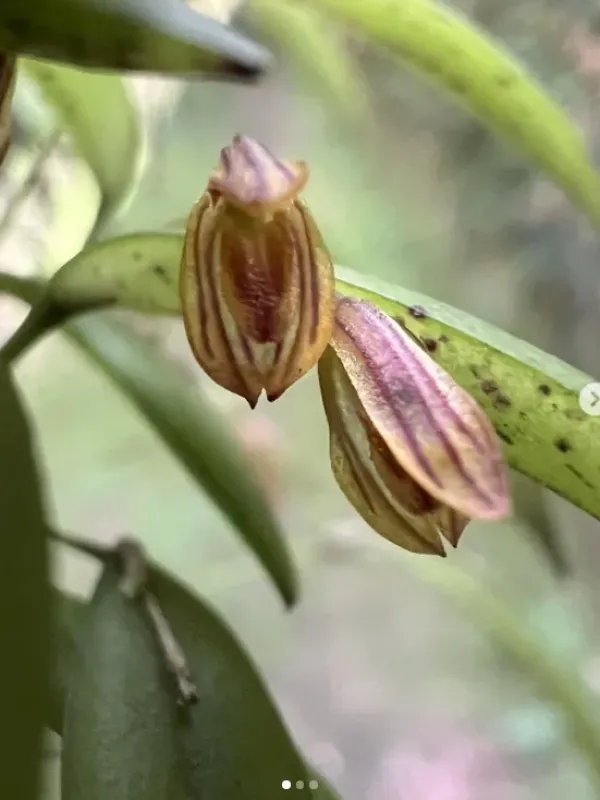
Description
Growing requirements
Acianthera wilsonii is a charming epiphytic species belonging to the Orchidaceae family. It originates from the cloud forests of South and Central America, where it typically grows on branches, absorbing moisture and nutrients from the surrounding humid air.
Botanically, this species is noted for its compact growth habit and fleshy, leathery leaves that store water to survive periods of low moisture. The flowers are small, often produced in clusters, and exhibit unique structural details typical of the Pleurothallidinae subtribe.
Cultivation requires conditions that replicate its natural habitat. A cool to intermediate temperature range, specifically 15–22°C, is ideal. Providing a consistent source of humidity above 70% is essential for the plant to remain vibrant throughout the year.
Substrate choices are critical for this epiphyte; it performs best when mounted on wood or grown in open-cell media like bark or perlite mixes. This ensures rapid drainage and prevents the roots from suffocating in soggy soil.
In terms of agricultural and horticultural use, this species is primarily cultivated by orchid hobbyists and botanical institutions. Its appeal lies in its rarity and the delicate beauty of its bloom, making it a prized addition to specialized collections.
Main diseases and pests
The primary threats to Acianthera wilsonii involve fungal infections resulting from poor ventilation. If the leaves remain wet for too long in stagnant air, they become highly susceptible to black rot or bacterial spotting.
Pests such as mealybugs pose a significant risk, as they thrive in the leaf axils of small orchids. If left unchecked, these insects can cause severe stunted growth and lead to secondary infections.
Scale insects are another common concern for this species, attaching themselves to the stems and leaves. They are difficult to detect until the infestation is significant, requiring diligent and regular inspection.
To prevent these issues, growers should maintain strict hygiene in the cultivation area. Using systemic insecticides specifically formulated for delicate orchids can help control pests without damaging the sensitive leaf tissues.
Correct environmental management is the best defense; by ensuring high airflow and avoiding overhead watering during cool periods, growers can prevent the conditions that favor pathogen development.