
Acianthera gracilis
Acianthera gracilis
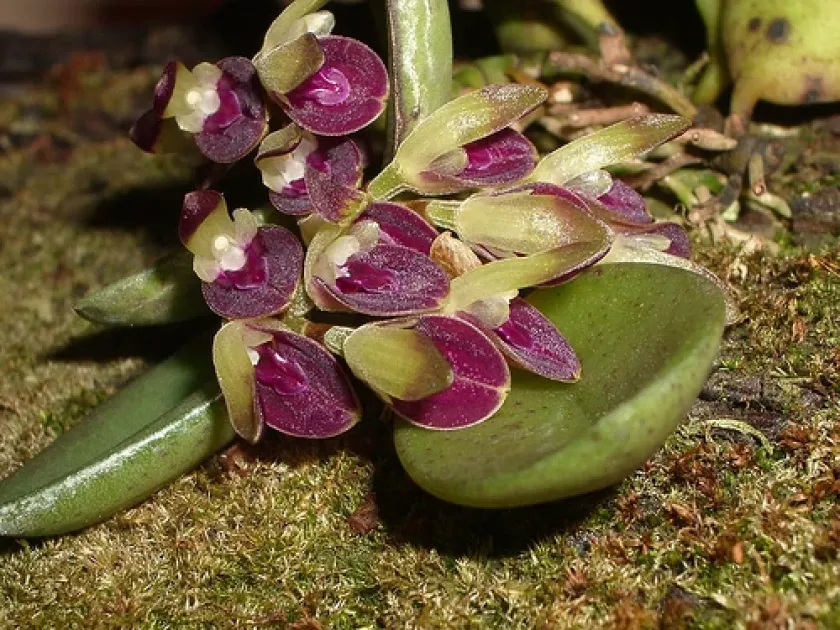
Description
Growing requirements
Acianthera gracilis is a unique member of the Orchidaceae family, valued for its delicate ornamental appearance. Native to the tropical rainforests of South America, primarily Brazil, this species is strictly epiphytic, meaning it relies on tree surfaces rather than soil for its life support.
The botanical structure of this orchid is adapted for high-humidity environments. Its root system is specialized to absorb atmospheric moisture, requiring a medium that provides excellent airflow while retaining just enough water for optimal metabolism.
For cultivation success, the environment must replicate tropical conditions with steady temperatures ranging from 18 to 24 degrees Celsius. Extreme heat or direct cold exposure can severely damage the plant's delicate tissues and inhibit growth.
The choice of substrate is critical; growers should utilize pine bark, perlite, or professional orchid mixes to ensure that roots are never waterlogged. Proper drainage is the most important factor in the long-term maintenance of the plant's health.
Regarding light requirements, the plant thrives in bright, filtered light. Protecting the foliage from harsh, direct sunlight is essential to prevent scorch marks and dehydration, which are common issues in indoor greenhouse setups.
Main diseases and pests
The most significant threat to Acianthera gracilis is poor air circulation combined with high humidity, which fosters fungal pathogens. These conditions frequently lead to root rot and stem decay, which can spread rapidly if left untreated.
Spider mites are common pests that thrive in dry indoor environments, often infesting the undersides of the leaves. Regular inspection and maintaining the correct humidity levels are the best preventative measures against these tiny arthropods.
Scale insects and mealybugs can also pose a persistent threat by feeding on the plant's sap. Once identified, mechanical removal or the application of specialized systemic insecticides is necessary to eradicate the infestation and restore plant vigor.
Fungal diseases such as leaf spots can be mitigated through sterile cultivation practices. It is crucial to sanitize all tools before and after maintenance tasks to prevent the transfer of pathogens from one plant to another.
Chemical stress from poor water quality can accumulate over time, leading to salt buildup in the bark substrate. Growers are advised to use filtered or rainwater to maintain the chemical equilibrium necessary for healthy root growth and nutrient uptake.