
Acianthera denticulata
Acianthera denticulata
Description
Growing requirements
Acianthera denticulata is a perennial epiphytic plant belonging to the Orchidaceae family. In its natural habitat, this species is primarily found in the tropical forests of South America, specifically within Brazil.
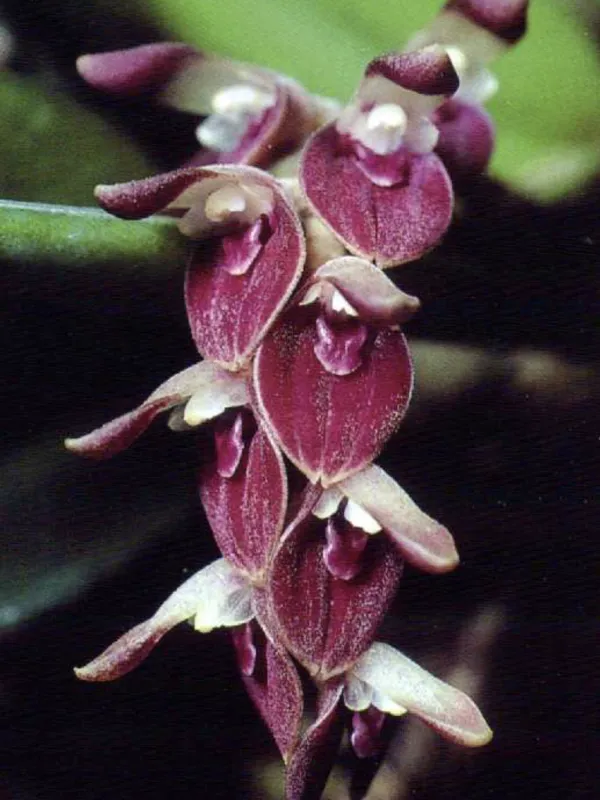
Botanically, the plant is characterized by its miniature size and creeping growth habit. Its stems bear narrow, thick leaves, and the inflorescences form from small, often yellowish-brown or greenish flowers that possess distinctive denticulate (toothed) edges on the petals, which gives the species its specific name.
For successful cultivation in greenhouse or home conditions, requirements close to tropical environments are necessary: high air humidity, typically between 60–80%, and a stable temperature range of 18–24 degrees Celsius.
A crucial requirement is a high-quality substrate that ensures excellent aeration for the root system. Usually, a mix of coniferous bark, charcoal, and sphagnum moss is used, as the plant is extremely sensitive to water stagnation around the roots.
In terms of economic use, this species falls into the category of ornamental collector crops. It is highly valued by professional growers and collectors of rare orchids for its unique inflorescence morphology and compactness, allowing the plant to be grown on mounts or in small hanging baskets.
Main diseases and pests
The primary pests for this orchid are insects typical of indoor environments: scale insects, spider mites, and mealybugs. These can attack both the leaves and young flower spikes by feeding on cell sap.
Fungal and bacterial diseases, such as root rot or leaf spotting, primarily develop when irrigation regimes are violated and ventilation in the growing area is poor. Prevention involves maintaining cleanliness and timely application of fungicides upon the detection of initial signs of pathogens.