
Acharagma roseana
Acharagma roseana
Description
Growing requirements
Acharagma roseana is a distinct succulent belonging to the Cactaceae family. Native to the arid regions of northern Mexico, specifically Coahuila, this species has adapted to extreme desert environments.
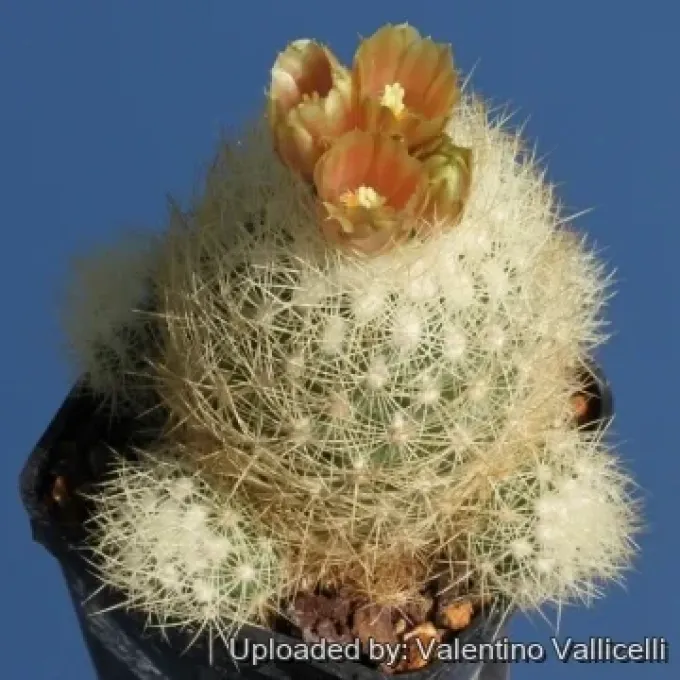
The plant features a small, globular body composed of distinct tubercles. It typically blooms with delicate flowers that emerge from the crown of the plant, adding to its high ornamental appeal.
The core requirement for successful growth is a highly porous, inorganic substrate. A mixture of gravel, grit, and minimal soil is essential to ensure rapid drainage and prevent stagnant moisture.
Climate needs involve bright, indirect light and well-ventilated conditions. During the winter dormancy, the plant must be kept cool and strictly dry to mimic its natural environment and promote flowering.
In terms of usage, it is primarily cultivated by collectors. It is highly valued in the world of specialized horticulture due to its slow growth rate and unique structural morphology.
Main diseases and pests
The most critical threat to Acharagma roseana is root rot, primarily caused by improper watering techniques or using soil that retains moisture for too long. Overwatering is fatal for this species.
Pests such as mealybugs and spider mites are frequent enemies. They hide in the deep crevices between tubercles, making them difficult to detect until the plant shows visible signs of damage.
Managing these threats involves routine health monitoring. Using systemic pesticides is the most effective approach for addressing infestations, combined with physical cleaning of the plant's surface.
Preventative measures center on environmental control. Maintaining low humidity, excellent airflow, and an appropriate light cycle significantly boosts the plant's natural resistance to pests and diseases.
When necrotic spots or signs of rot appear, immediate intervention is required. This may involve root pruning, fungicide application, and repotting the cactus into a dry, sterile growing medium.