
Acanthocereus rosei
Acanthocereus rosei
Description
Growing requirements
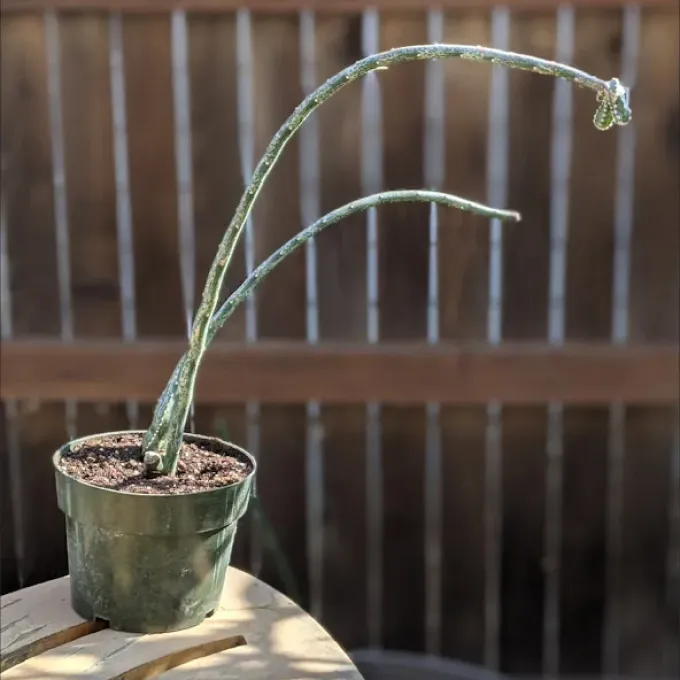
Acanthocereus rosei is a species of succulent belonging to the Cactaceae family. Originating from the arid tropical regions of western Mexico, this plant is well-adapted to high temperatures and seasonal drought, which makes it a unique object for xeriscape horticulture.
The crop requires bright, direct sunlight to maintain its structural integrity and ensure vigorous growth. In a controlled environment, it is crucial to maintain temperatures between 22°C and 30°C, as the plant is highly susceptible to chilling injury and frost, which can cause tissue rupture.
Soil requirements are strictly defined by the need for excellent drainage. A substrate composed of coarse sand, perlite, and volcanic rock is ideal, as it mimics the natural rocky habitat and prevents waterlogging, which is detrimental to the cactus root system.
Agrotechnical management involves a controlled irrigation cycle: frequent watering during the active growth phase and a strict dry period during dormancy. Fertilizer application should focus on mineral-rich formulations with low nitrogen content to prevent weak, etiolated growth.
The primary use of Acanthocereus rosei is decorative and ornamental, specifically in arid landscape design or specialized botanical collections. Its ability to survive in nutrient-poor soils also makes it a subject of interest for sustainable agricultural research in desert climates.
Main diseases and pests
The main pests affecting Acanthocereus rosei include mealybugs and spider mites, particularly in low-humidity environments. These pests tend to colonize the crevices between the cactus ribs, making early detection and intervention with specialized miticides essential.
Root rot and stem rot caused by various fungal pathogens are the most significant threats to plant health. Prevention is primarily achieved through rigorous soil moisture management, ensuring that the growing medium dries out completely between watering sessions to inhibit fungal proliferation.