
Acanthocereus maculatus
Acanthocereus maculatus
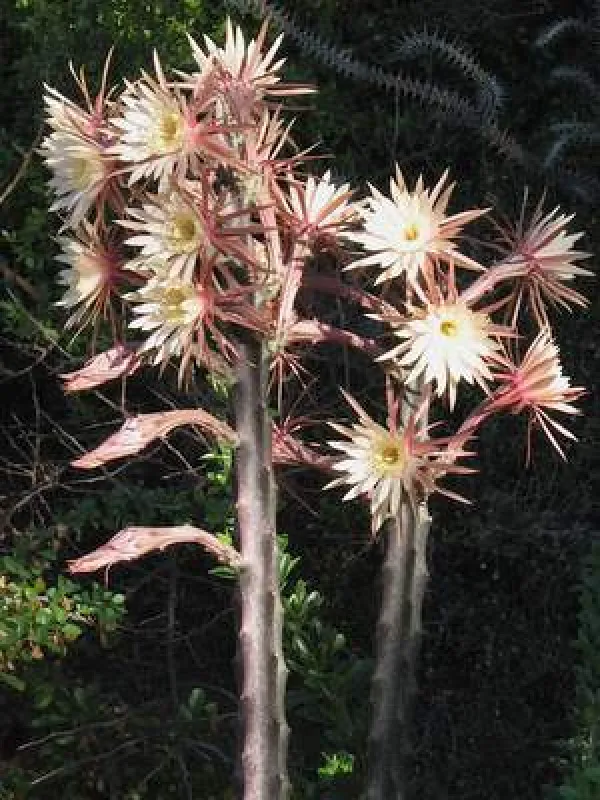
Description
Growing requirements
Acanthocereus maculatus is a distinct species belonging to the Cactaceae family. Originating from the arid zones of Central America, this plant has evolved to thrive in regions characterized by intense sunlight and limited water availability.
For optimal growth, the species requires well-draining, gritty soil substrates that prevent moisture accumulation around the roots. It is essential to use pots with sufficient drainage holes to avoid the risk of root rot.
The plant demonstrates a high tolerance for temperature fluctuations but prefers stable, warm conditions during its growth season. Temperatures between 22 and 30 degrees Celsius are considered ideal for its vegetative development.
Acanthocereus maculatus requires direct sunlight exposure to maintain its structural integrity and health. In environments with insufficient light, the stem tends to etiolate and lose its characteristic coloration and strength.
During the dormant season, it is crucial to reduce watering significantly. This cycle mimics the natural environmental stress that triggers the plant's biological defense mechanisms and supports its long-term viability.
Main diseases and pests
Common pests include mealybugs and spider mites, which are particularly problematic in dry, stagnant air conditions typical of some greenhouse environments.
Fungal infections such as stem rot are major threats. These usually develop as a direct consequence of over-watering or poor soil aeration which encourages anaerobic conditions.
Control strategies involve the judicious use of pesticides and fungicides combined with rigorous adherence to cultural practices like proper sanitation and ventilation.
Regular monitoring of the epidermis is necessary to identify early signs of infestation. Spots or discoloration are often the first indicators of a developing problem.
To ensure healthy growth, avoid overcrowding plants, which promotes better air circulation and reduces the micro-habitats that pests and fungi prefer.